What to Expect
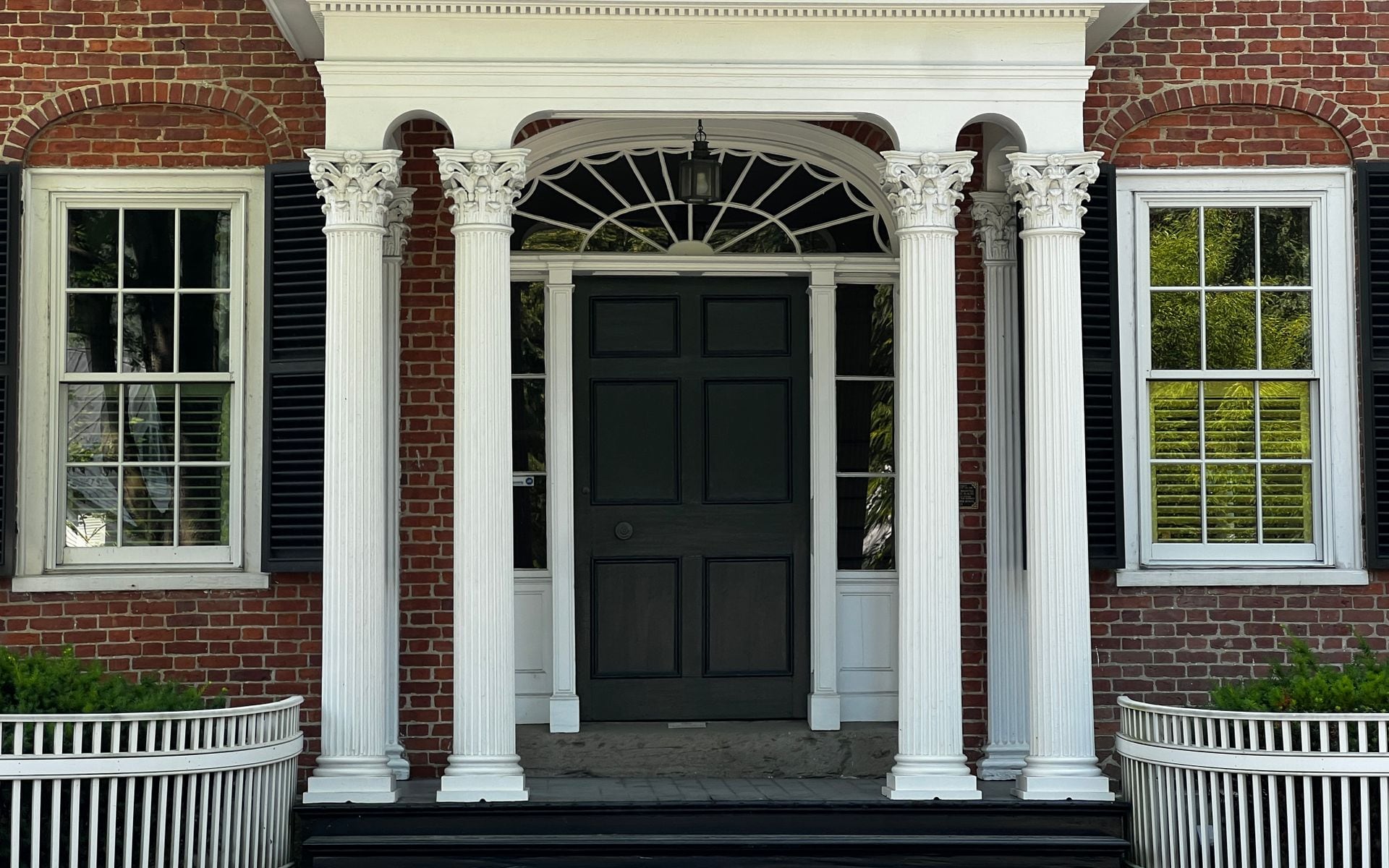
Woodstock is a compact village of about 3,200 people in the Woodstock & the Upper Valley region, on Route 4 roughly 14 miles east of Killington and 6 miles east of Quechee. The village center runs along Central Street and Elm Street around a long green, and the Federal and Greek Revival architecture lining it has changed very little since the 19th century. Three covered bridges sit within easy walking distance: the Middle Bridge on Central Street, the Lincoln Covered Bridge on River Street (built 1877), and the Elm Street Bridge. The Ottauquechee River wraps along the south edge of town, and a flat riverside trail connects most of them. This is a walking destination; once you park off Central Street, you typically won't need your car until you're ready to head west toward Quechee or Killington.
The village punches well above its size for food, lodging, and cultural attractions. The Billings Farm & Museum and Marsh-Billings-Rockefeller National Historical Park are both within a mile of the green, and the combined draw makes Woodstock one of the few Vermont towns where you can fill two full days without driving more than a few miles. It consistently ranks among the best small towns in Vermont for this reason: it offers depth, not just a pretty main street.
What to Do There
Billings Farm & Museum, on Route 12 about a mile north of the green, is a working dairy farm that dates to 1871, when railroad magnate Frederick Billings bought the land and began managing it scientifically. Today it runs daily demonstrations of 19th-century Vermont farm life alongside a herd of registered Jersey cows. The museum buildings cover agricultural history in real depth, and there is enough here to occupy a few hours. Admission runs roughly $18 to $20 for adults and $10 for children ages 5 through 12 (labeled estimate; verify current pricing on-site). The farm is open from May through October and on select winter weekends for programs that draw visitors from across New England, including a popular Christmas weekend event.
Marsh-Billings-Rockefeller National Historical Park shares its hilltop with Billings Farm and is Vermont's only national park. The park protects what is considered one of the first scientifically managed forests in the country, with plantings that began in the 1870s and continued under later owners including Laurance Rockefeller. Guided tours of the Victorian mansion run roughly $8 per adult (labeled estimate); the grounds and trail network are free. The carriage roads and footpaths total about 20 miles and connect with trails on adjacent Mount Tom, where a short climb to the summit gives you views south across the Connecticut River valley into New Hampshire.
Three covered bridges are a short walk from the village center. The Middle Bridge on Central Street, rebuilt in 1969 in the Town lattice truss style, is the most photographed. The Lincoln Covered Bridge on River Street dates to 1877. The Taftsville Covered Bridge, about 3 miles east on Route 4, was built in 1836, making it one of the oldest still-standing covered bridges in Vermont. A flat riverside trail along the Ottauquechee makes connecting the in-town bridges on foot easy; the round trip from the green takes under an hour at a relaxed pace.
Sugarbush Farm sits about 4 miles north of the village on Hillside Road, up a winding gravel switchback. The farm produces waxed cheddar and other aged Vermont cheeses you can sample and buy without any obligation. During maple season, roughly late February through April depending on temperatures, the sugarhouse is running and the smell of boiling sap carries down the hill. The visit is free, but the unpaved road can be slippery after a wet winter and is not advisable without all-wheel or four-wheel drive during mud season (late March through early May).
For dining, Worthy Kitchen on Route 4 about a mile west of the green is the go-to for locally sourced food in a counter-order setup. It draws a loyal crowd and gets busy on weekend evenings; plan to arrive early or expect a wait, and note that parking is tight. The patio is the place to be on a warm evening. A short drive west on Route 4 brings you to Simon Pearce in Quechee, a restaurant inside a restored woolen mill perched above the Ottauquechee waterfall. The setting is striking, the kitchen uses Vermont ingredients well, and entrees run roughly $30 to $55 per person (labeled estimate). The glassblowing studio is on the lower floor and is open to visitors during business hours. The Woodstock Inn & Resort on the village green has the Red Rooster restaurant, which serves breakfast and dinner to both guests and the general public, anchored by local sourcing and a proper bar.
Getting There and Access
Woodstock sits on Route 4, the main east-west corridor across central Vermont, and a car is essential; there is no useful transit service to or within the village. From Burlington International Airport (BTV), the drive runs about 1.5 hours south and east on I-89 South to Exit 1 (White River Junction), then Route 4 West for about 14 miles. From Boston Logan (BOS), count on 2.5 to 3 hours depending on traffic, heading north on I-93 and I-89 before dropping to Route 4. Lebanon Municipal Airport (LEB) across the Connecticut River in New Hampshire is the closest commercial airport, about 20 minutes east on Route 4.
Killington Resort is about 18 miles west on Route 4, a 30-to-35-minute drive under normal conditions. Route 4 climbs through Sherburne Pass, which can slow travel significantly in heavy snow or ice; winter visitors should budget extra time and run snow tires. The drive west also passes Quechee Gorge, about 6 miles from Woodstock, where Route 4 crosses the gorge bridge and a quick pull-off gives you a direct look 165 feet down to the Ottauquechee River.
Best Time to Go
Foliage typically peaks in Woodstock between October 5 and October 15 most years, putting it in the sweet spot for leaf-peeping visitors. The village sits at about 700 feet elevation, so it turns a week or so later than high-elevation Northeast Kingdom locations but usually ahead of southern Vermont towns in Bennington County. October fills lodging fast; book weeks in advance for any weekend in the first two weeks of the month.
Summer, from late June through August, is the full-season window for Billings Farm, the national park trails, covered bridge walks, and the farmers market on the green. Temperatures run in the 70s to low 80s most days, and the village is busy but not crowded the way it gets during foliage season. Winter is quiet, with Killington day trips as the primary draw. Spring is slow, and mud season through March and early May makes Hillside Road to Sugarbush Farm a gamble without proper tires.
Good to Know
Lodging in Woodstock runs the full spectrum. The Woodstock Inn & Resort on the village green is the full-service anchor, with an 18-hole golf course, spa, and several dining options; room rates generally run $250 to $450 per night (labeled estimate, varies by season). The Woodstocker B&B on River Street is a small, intimate option with breakfast delivered to your room and rates roughly $150 to $250 per night (estimate). Sleep Woodstock Motel on the west end of Route 4 is the practical budget pick, with clean rooms and rates around $100 to $160 per night (estimate). All three book out for October foliage weekends and holiday weeks; plan to reserve at least a month ahead during those windows.
The village has free public parking off Central Street in a small lot and along Elm Street, but spaces fill by 10 a.m. on peak fall weekends. Arriving early or parking a few blocks out and walking in saves frustration. The main street shops and galleries are open most days year-round, though some close Monday or Tuesday in the off-season. Cell service is adequate in the village but can drop in the hills north of town on the way to Sugarbush Farm.
Frequently asked questions
Is Woodstock Vermont worth visiting?
Woodstock is one of the more rewarding village destinations in New England because it offers multiple layers: a working farm you can explore, Vermont's only national park on a wooded hill above town, three covered bridges within walking distance, and a food scene anchored by places like Worthy Kitchen and Simon Pearce in Quechee. Two full days here feels about right for most visitors.
How far is Woodstock Vermont from Killington?
Woodstock is about 18 miles east of Killington Resort on Route 4, roughly 30 to 35 minutes in normal conditions. The road climbs through Sherburne Pass and can slow considerably in winter weather. Many visitors use Woodstock as a quieter overnight base for Killington ski days, though you should account for the Route 4 pass conditions before committing to that plan in mid-winter.
When does foliage peak in Woodstock Vermont?
Woodstock typically sees peak fall color between October 5 and October 15, though the window shifts a few days in either direction depending on late-season temperatures and the preceding summer's rainfall. The village sits at about 700 feet elevation, which puts it behind high-country and Northeast Kingdom locations but a few days ahead of lower-elevation southern Vermont towns. Lodging books out for that two-week window; reserve well in advance.
What covered bridges are near Woodstock Vermont?
Three covered bridges are within easy walking distance of the village green: the Middle Bridge on Central Street, the Lincoln Covered Bridge on River Street (built 1877), and the Elm Street Bridge. The Taftsville Covered Bridge, built in 1836 and one of the oldest in Vermont, is about 3 miles east on Route 4. A riverside trail along the Ottauquechee connects the in-town bridges and makes a good short walk before or after a visit to Billings Farm.