Your honest guide to Vermont
When the leaves actually peak, which mountain towns are worth basing in, where to ski, and how to plan the back-road drives between cheese, cider, and covered bridges.
Six ways to do Vermont
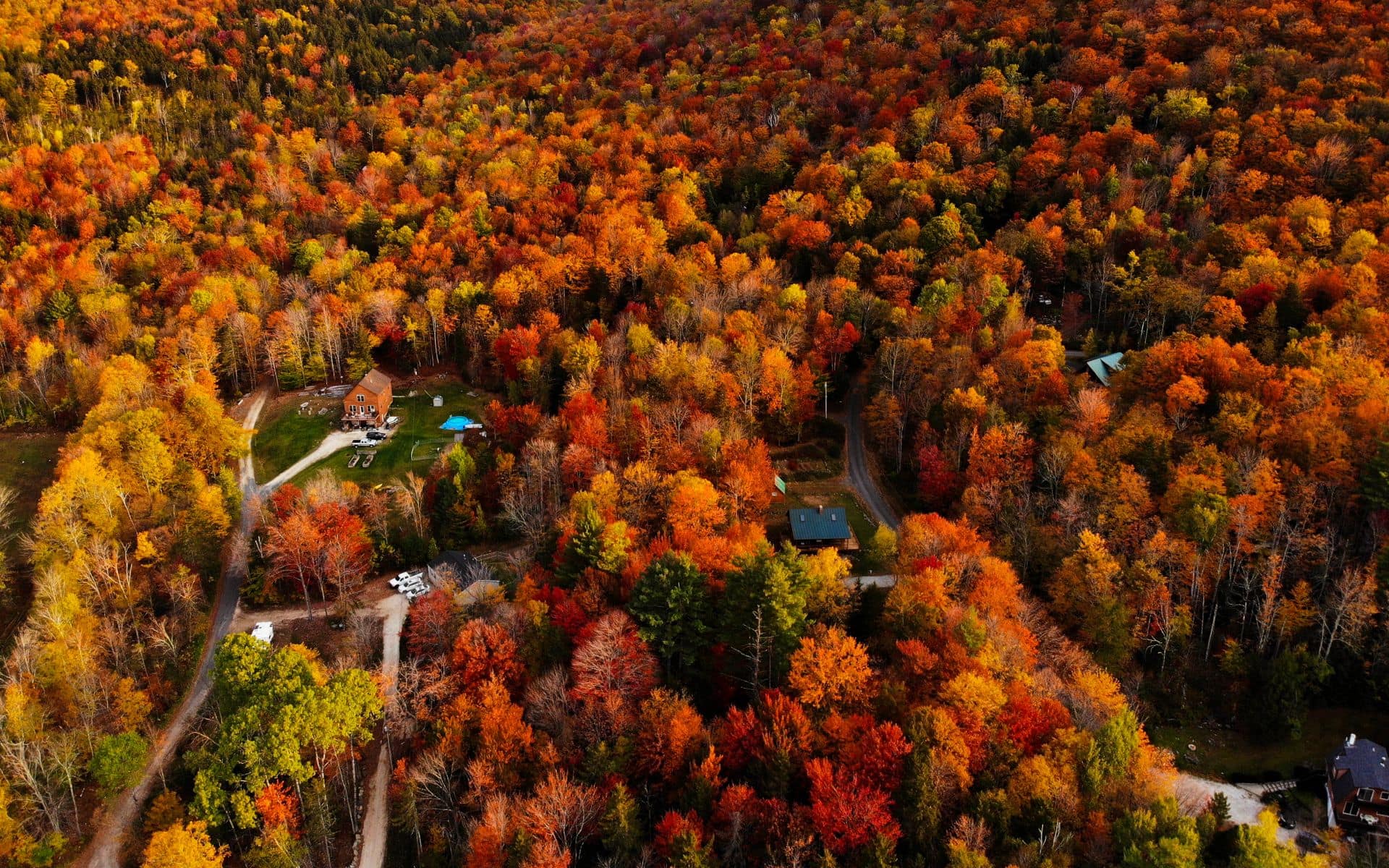
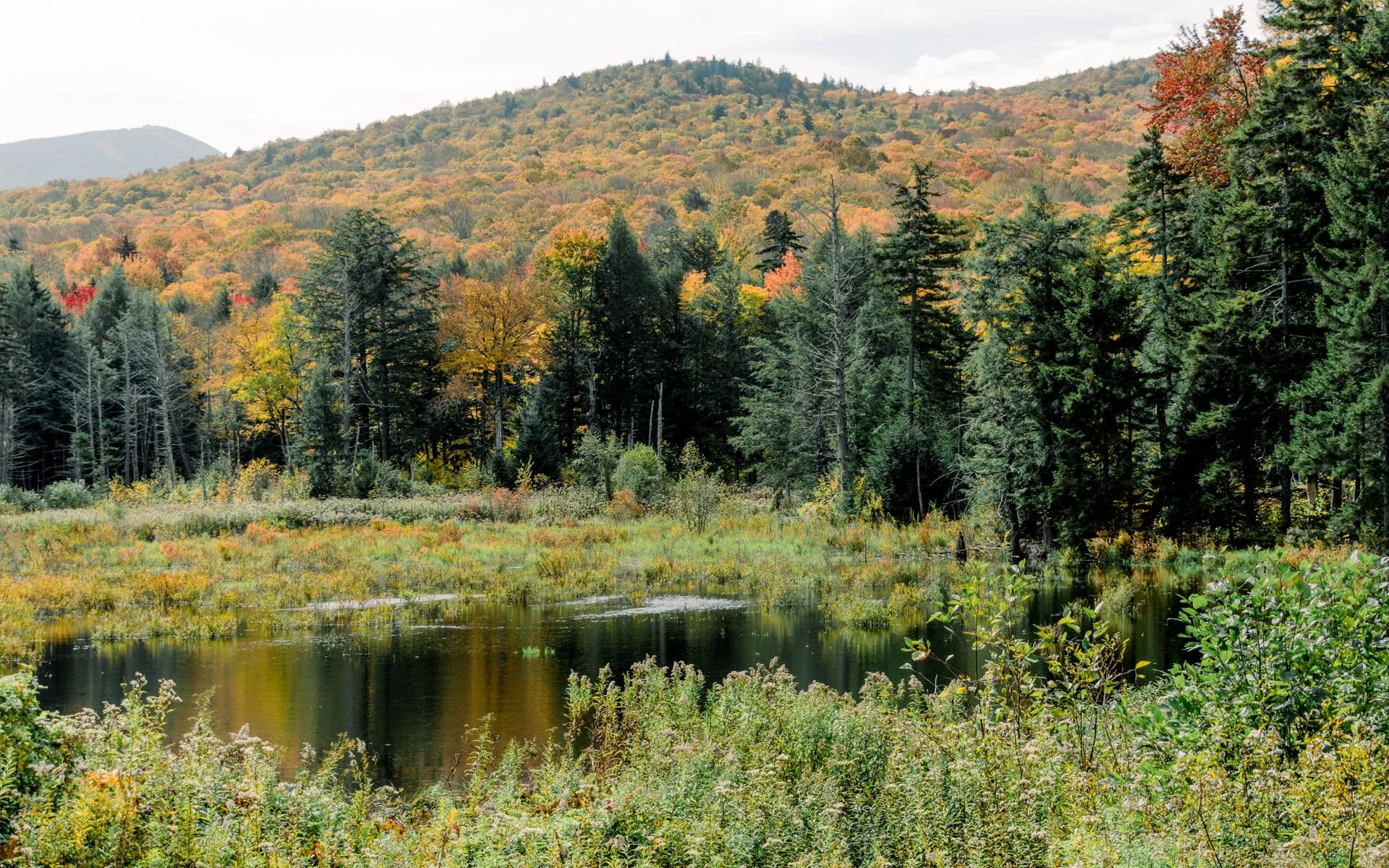
Northeast Kingdom
Vermont's wild northeast corner: Orleans, Caledonia, and Essex counties, where dirt roads, glacial lakes, and rolling farm country run up to the Canadian border. St. Johnsbury is the arts hub, and the foliage turns here first.
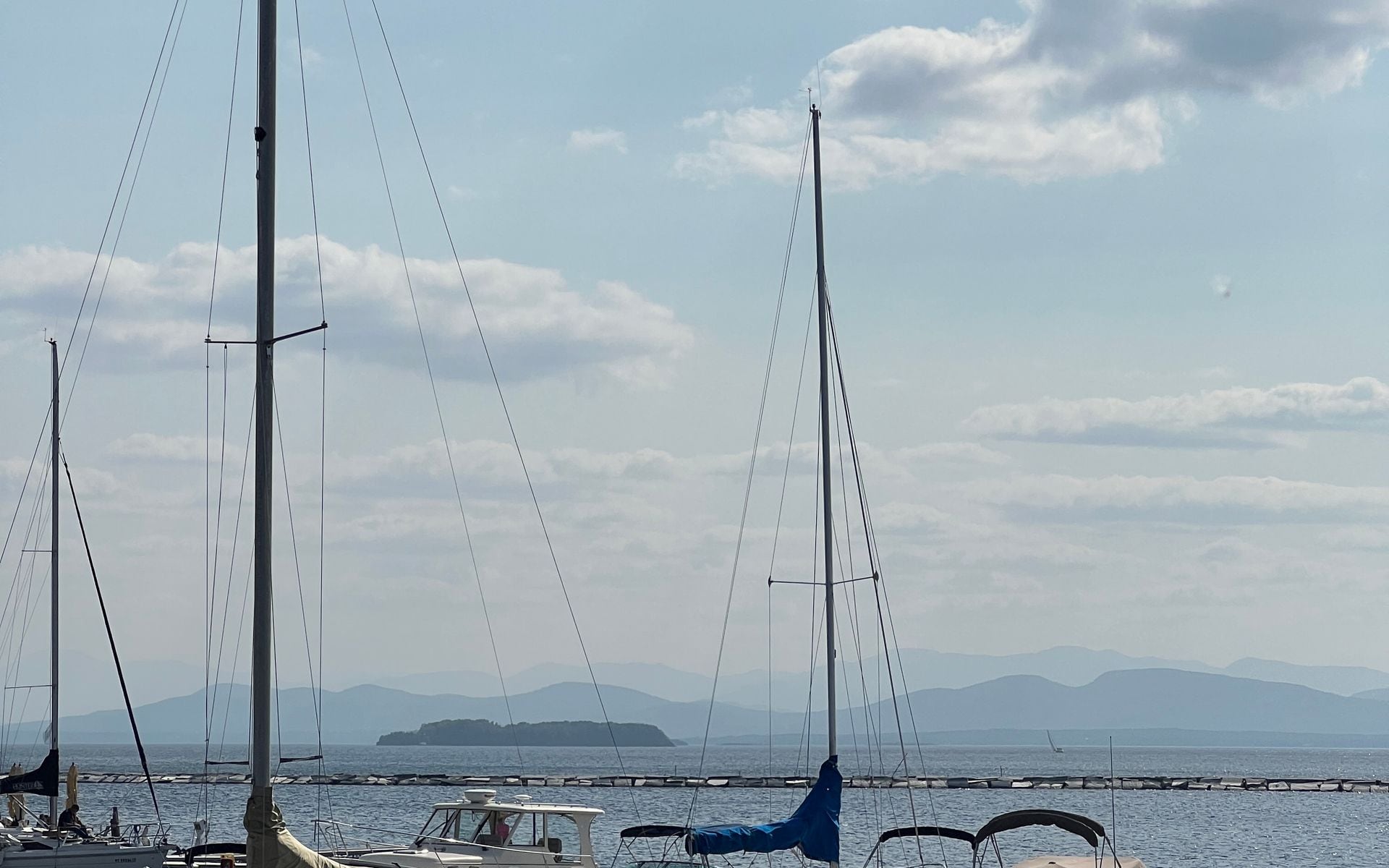
Lake Champlain & Burlington
The western shore and the islands: Burlington and its Church Street Marketplace, Shelburne, the Champlain Islands, and the widest water and best sunsets in the state.
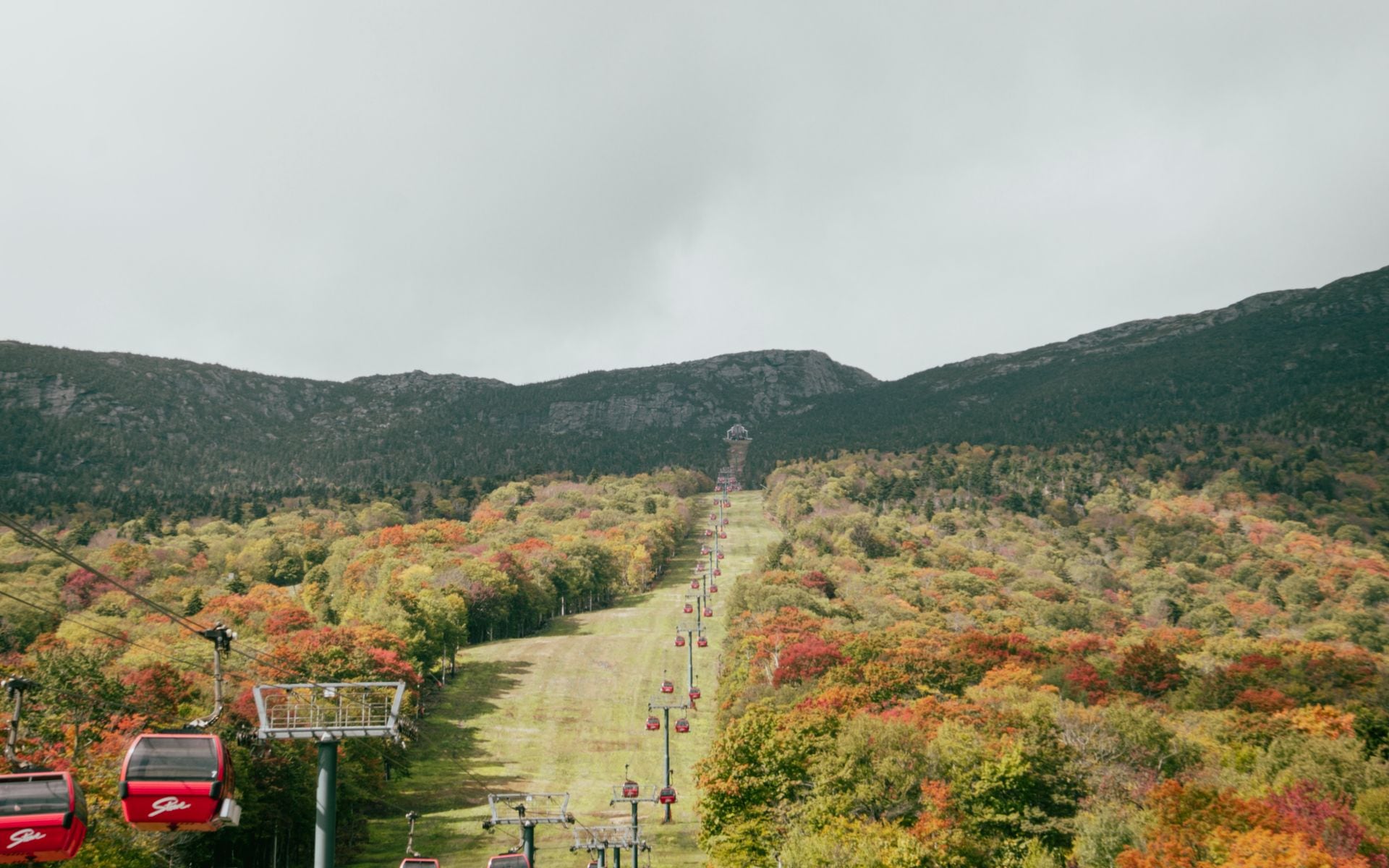
Stowe & Northern Green Mountains
The high north: Stowe and Mount Mansfield, Smugglers Notch, Jay Peak near the border, and the Waterbury food-and-beer corridor. The state's biggest peaks and deepest snow.
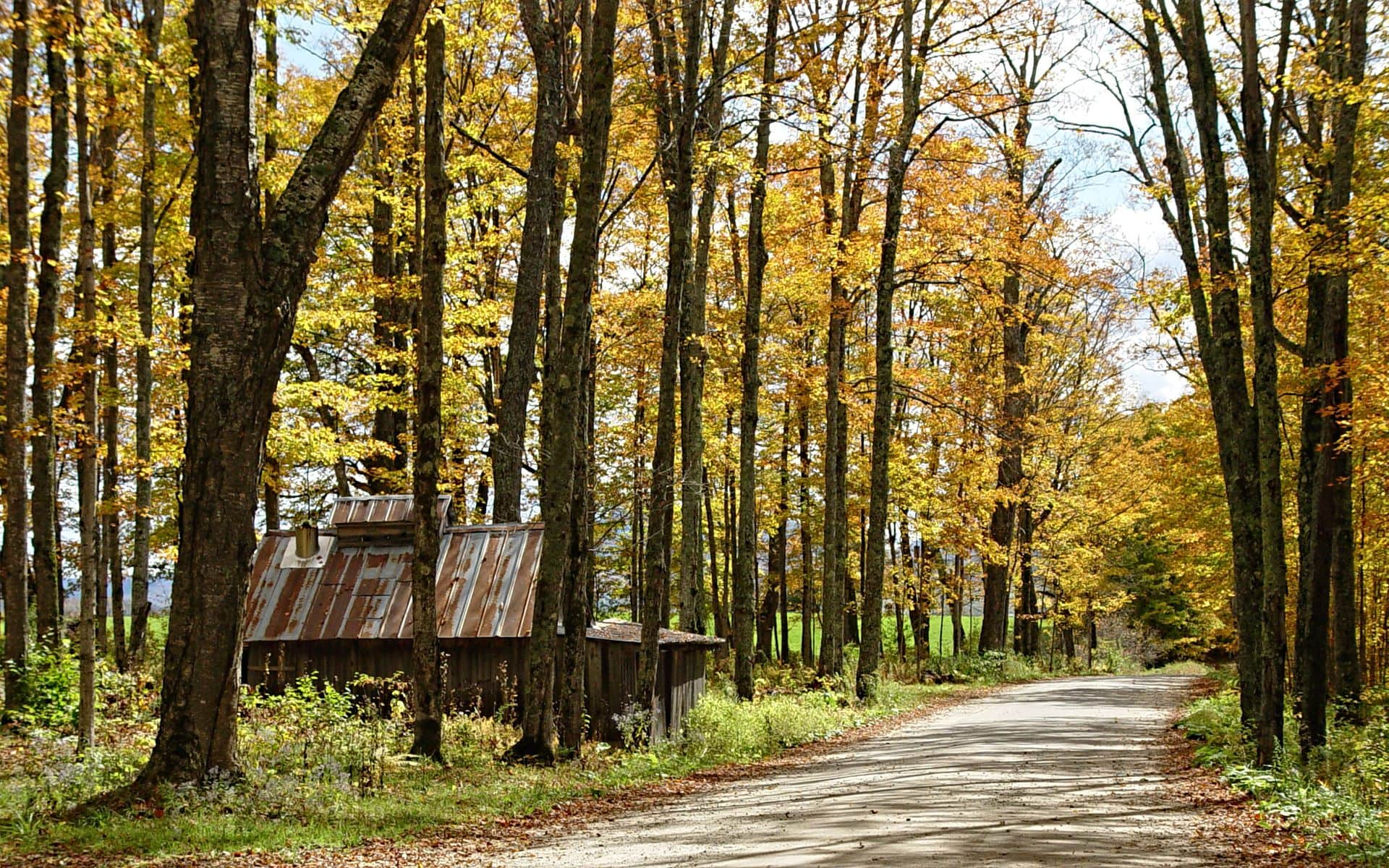
Central Vermont
The middle of the state: Montpelier, Killington, the Mad River Valley and Sugarbush, Middlebury, and a thick run of cheesemakers, sugarhouses, and gravel roads.
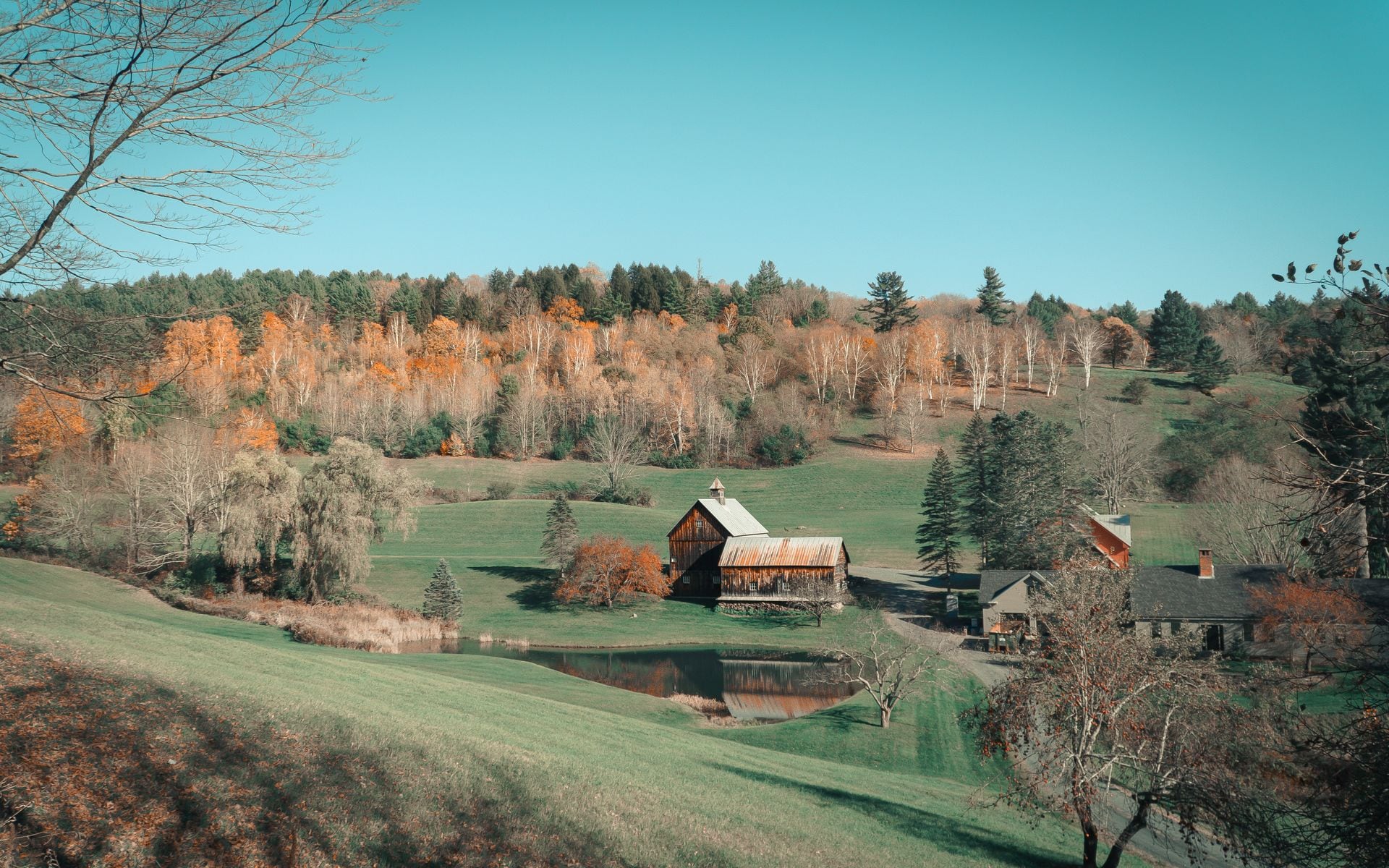
Woodstock & the Upper Valley
The Connecticut River side: Woodstock, Quechee Gorge, Norwich, and Hartford, plus some of the most photographed villages, farms, and covered bridges in New England.
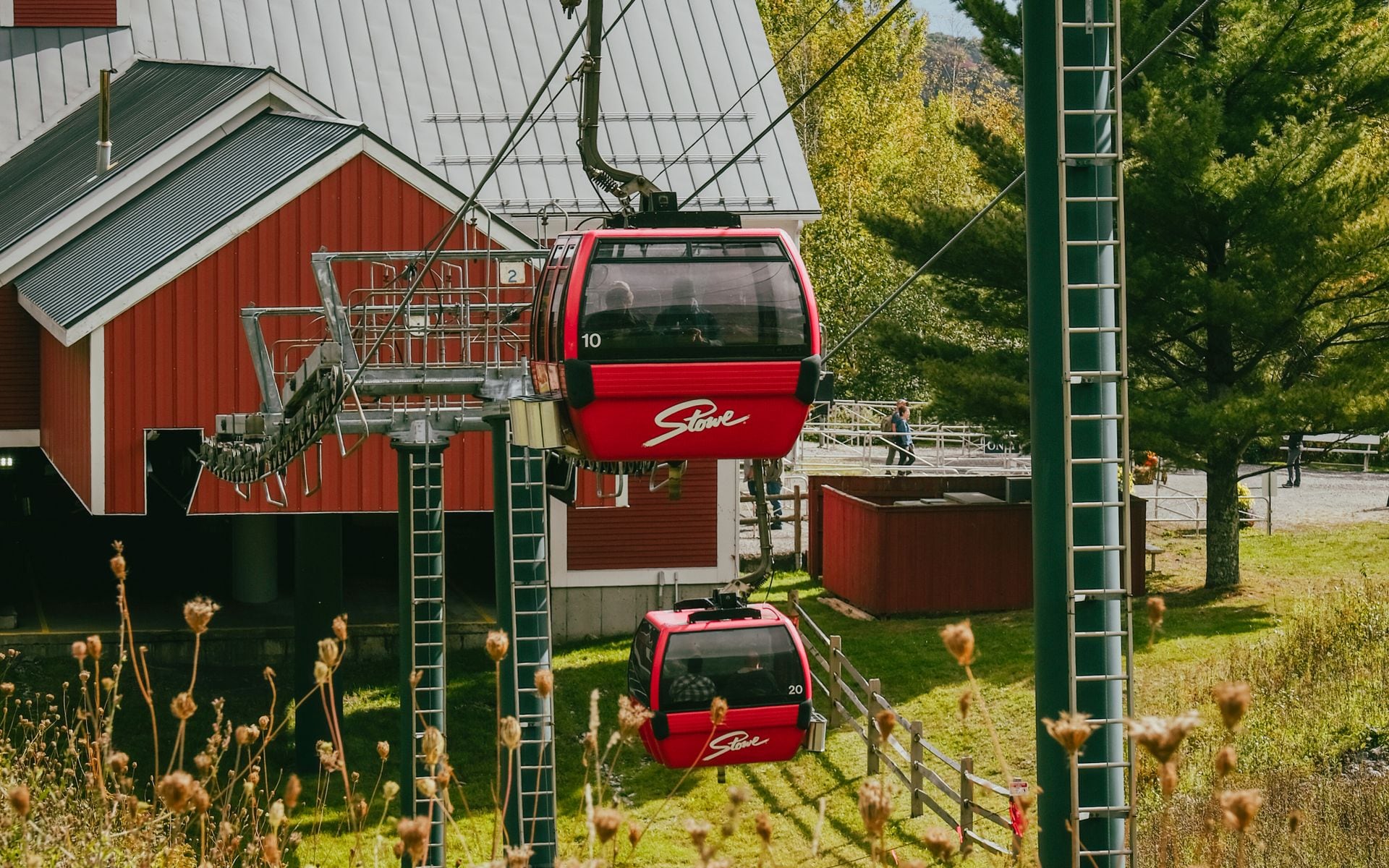
Southern Vermont
The southern Green Mountains: Manchester and the outlets, Stratton and Mount Snow, Bennington, and Brattleboro. The first Vermont most Northeast drivers reach, and the last to peak in fall.
First time in Vermont?
Start with the basics: when the foliage turns, which airport to fly into, how the back roads connect the towns, and where to base yourself for ski season or a leaf-peeping week.
Plan your trip