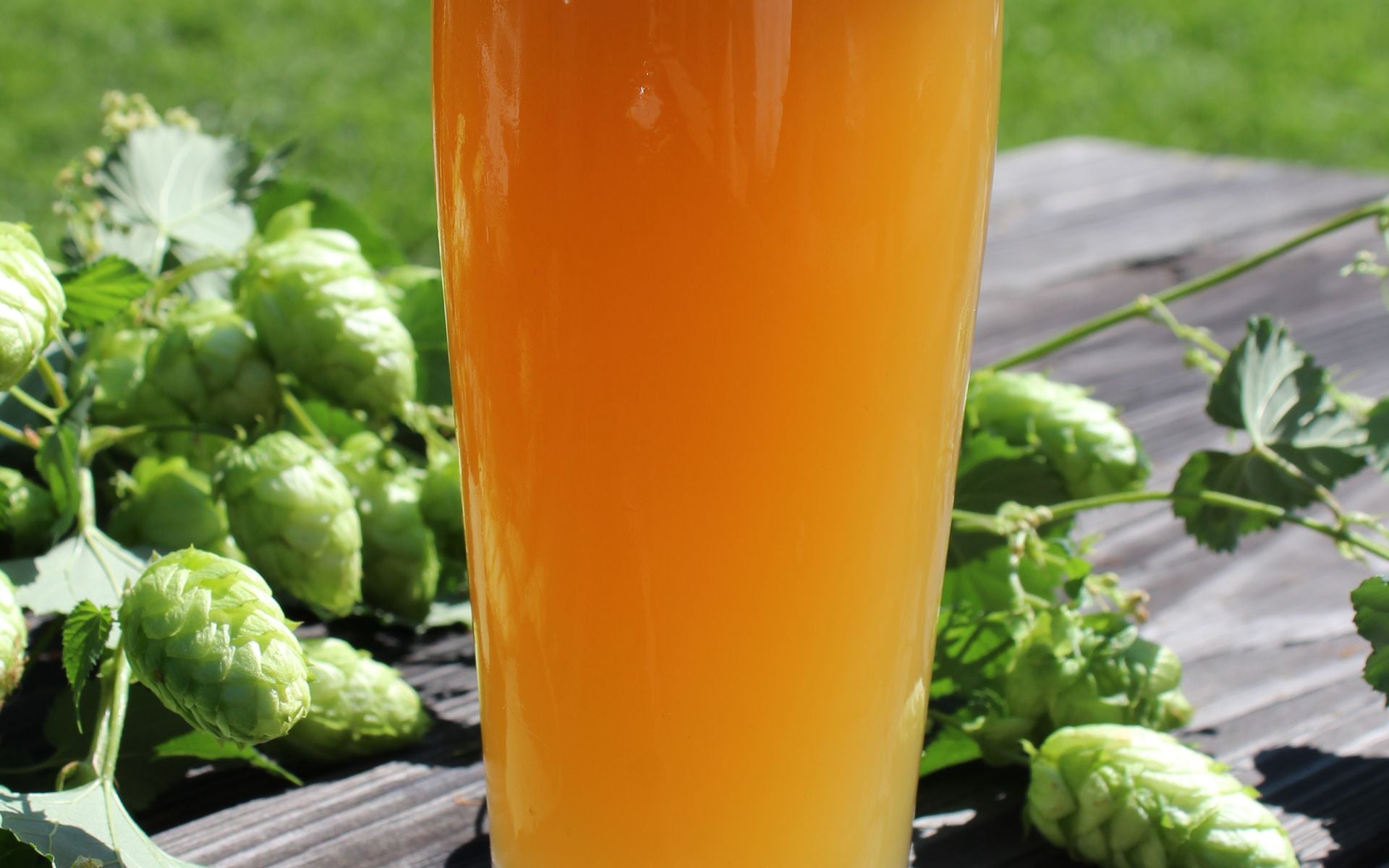
Vermont's Craft Beer and Cider Scene
Vermont punches well above its weight in craft brewing. The concentration is highest in the Burlington-Waterbury-Stowe corridor that runs along I-89, but you will find serious taprooms in Morrisville, Montpelier, and scattered across the Northeast Kingdom. If you are planning your first trip to the state, the Vermont Travel Guide gives you a geographic frame for how the brewery scene fits the larger landscape of local food, outdoor recreation, and small-town stops on two-lane roads.
New England IPAs are Vermont's signature style: hazy, soft, aroma-forward, and lower in bitterness than West Coast IPAs. The Alchemist Brewery on Cottage Club Road in Stowe put the category on the national map with Heady Topper, a double IPA that ranked among the world's best for years and remains available only at the source. Foam Brewers operates out of 112 Lake Street in Burlington with a patio looking west over Lake Champlain toward the Adirondacks, a rotating tap list heavy on experimental IPAs and stouts, and an outdoor scene that draws a loyal crowd from June through September. Idletyme Brewing on Mountain Road in Stowe works as both a brewery and cidery, making experimental ciders from local fruit alongside its IPA line and serving a full food menu, which makes it a practical stop for groups where not everyone is a beer drinker.
Vermont's cider scene has its own identity separate from the beer side. Citizen Cider in Burlington's South End, on Flynn Avenue about a mile and a half south of the Church Street Marketplace, works exclusively with Vermont-grown apples rather than imported concentrate to make dry and semi-dry ciders that sit closer to wine in character than to the sweeter national brands. The taproom is in a converted industrial building and pours flights of four or five options at a time, which is a good way to work through the range on a first visit.
What to Expect at Vermont Taprooms
Most Vermont brewery visits are walk-in taproom experiences rather than factory tours. Expect a bar, a rotating list of eight to twenty beers or ciders on draft, pint or flight service, and sometimes a short food menu or food truck partnership. Hours tend to cluster from around noon through 9 or 10 p.m., but smaller producers may close earlier or keep limited weekday hours, so checking a taproom's current schedule before you drive out saves frustration, especially in mud season (March through April) when some operations run reduced days.
Prohibition Pig at 23 South Main Street in Waterbury runs a full BBQ kitchen alongside its brewing operation, which makes it a natural anchor for a midday stop. Waterbury sits about 30 miles southeast of Burlington on I-89, roughly a 35-minute drive, and it has become Vermont's unofficial food-and-drink hub with multiple craft producers and the Ben and Jerry's factory within a short radius. The kitchen turns out smoked brisket, ribs, and housemade sides that pair well with the house beers, and the patio seats are popular on warm afternoons.
In Morrisville, about 20 minutes north of Stowe on Route 100C, Soulmate Brewing Company on Portland Street is a veteran-owned taproom with a welcoming atmosphere and a beer list that runs from hop-forward ales to hard seltzers and sours. The kitchen produces bar snacks worth ordering, and the owner has a habit of talking through the tap list with anyone who asks, which gives it the feel of a neighborhood bar rather than a tourist stop. In Montpelier, 45 minutes southeast of Burlington on I-89, Three Penny Taproom on Main Street maintains one of the best-curated draft lists in the state, drawing from smaller regional producers and rotating the selection regularly. It is an easy stop if you are already passing through Vermont's small state capital.
Best Season to Visit Vermont Breweries
Vermont taprooms are open year-round, and you can build brewery stops into any trip regardless of season. Fall is when the combination of the drive and the destination reaches its peak. Pairing one of the best fall foliage drives in Vermont in the morning with a taproom stop in the afternoon gives the day a natural arc. The Vermont Fall Foliage Road Trip itinerary threads routes through the Champlain Valley and the Green Mountains that pass within easy reach of Burlington and Stowe taprooms, so it is easy to bolt a brewery hour onto the end of a foliage afternoon.
Peak foliage runs mid-September through mid-October, with northern and higher-elevation spots turning first. Taprooms along the I-89 corridor from Burlington to Waterbury tend to fill up during the last two weekends of September and the first weekend of October, so arriving at opening or on a weekday afternoon earns you calmer service and a better shot at a patio seat.
Summer (June through August) is the most consistent taproom season: comfortable weather, outdoor seating in full use, and strong production schedules at most facilities. Spring (March through May) is quieter and more local in feel, with fewer out-of-state visitors, which some travelers prefer. Winter weekends, particularly during ski season at Stowe Mountain Resort and Sugarbush, drive strong taproom traffic in the Waterbury and Stowe areas, and an apres-ski pint at a Vermont taproom has become its own tradition for a certain kind of ski tripper.
Typical Costs (Estimates)
Pints at most Vermont taprooms run $7 to $10 each (estimate). A four-beer flight with roughly 4-ounce pours typically costs $14 to $20 (estimate). Cans to go are usually $5 to $8 per can at the taproom, with four-packs running $18 to $28 (estimate) for flagship releases like Heady Topper. Cider flights at places like Citizen Cider are priced similarly to beer. Food at brewery kitchens averages $12 to $22 per dish (estimate), roughly in line with casual Vermont pub dining.
If you are planning a dedicated brewery day with three or four taproom visits plus one sit-down meal, budgeting $60 to $90 per person (estimate) covers drinks and food comfortably. Most Vermont taprooms outside Burlington have free parking. In Burlington, street parking in the South End near Citizen Cider and downtown near Foam Brewers is metered on weekdays, with a mix of free side-street spots if you are willing to walk a few blocks.
How to Plan Your Vermont Brewery Visit
Most Vermont taprooms do not require reservations, and walk-in visits work fine outside of busy fall weekends. The Breweries, Cideries and Tours directory lists producers across the state with addresses and website links, so you can map a route and check hours before you leave.
Pairing a brewery day with Vermont's food culture makes a fuller trip. The Farm-to-Table and Cheese Trails page covers creameries and farm stands that are geographically close to the main brewery corridor, and many taprooms either carry local cheese boards or sit a few miles from a cheesemaker worth stopping at. For visitors who want to start the day outdoors, morning fishing on the Winooski River near Montpelier or the Dog River in Northfield pairs well with an afternoon taproom session along the same I-89 corridor.
Flying into Burlington International (BTV) puts you within 45 minutes of both Burlington's lakefront taprooms and the Waterbury-Stowe corridor. If you are driving from Boston, the trip up I-89 from the New Hampshire border takes about two hours, passing the exits for Montpelier and Waterbury along the way. A rental car is effectively required for any taproom beyond downtown Burlington, since Vermont's taproom geography is built around small towns and back roads without transit service.
Frequently asked questions
What is Vermont's craft beer scene known for?
Vermont is best known for New England IPAs, a hazy, low-bitterness, aroma-forward style that gained national attention in part because of producers like The Alchemist in Stowe, whose Heady Topper is available only at the brewery itself. Beyond IPAs, the state's taprooms carry stouts, farmhouse ales, sours, and hard ciders made from Vermont-grown apples. The overall character of the scene leans toward small-batch, locally sourced production rather than wide distribution, which means the freshest beer in Vermont is the beer you drink there.
Do Vermont breweries offer public tours of their facilities?
Most Vermont breweries do not run formal public tours of their production floors. Visits are taproom experiences: you arrive during posted hours, order at the bar, and drink on-site. A few larger operations have viewing windows or informational signage that explains the brewing process, and retail shops are common at well-known producers. If a production tour is important to your group, calling ahead to ask is the safest approach, since policies vary and some smaller operations will accommodate a brief walkthrough for small groups during off-peak hours.
Can I do a Vermont brewery road trip in a single day?
Yes, and many visitors do. The most practical single-day route runs along I-89 from Burlington southeast to Waterbury, about 30 miles and 35 minutes, then adds a side trip north on Route 100 to Stowe, another 10 miles and 15 minutes. That corridor covers Burlington's lakefront taprooms in the morning, Waterbury's Prohibition Pig for a midday food stop, and Stowe's Alchemist and Idletyme in the afternoon. Morrisville adds about 20 minutes north of Stowe on Route 100C and is worth folding in for a less-traveled stop. Starting from Burlington International (BTV) makes the logistics straightforward.
What is the difference between Vermont beer and Vermont hard cider?
Vermont breweries ferment grain-based beer using hops and yeast. Vermont cideries ferment apple juice, and the state has a strong cider tradition tied to its history of apple growing in the Champlain Valley and on the Champlain Islands. Hard ciders from producers like Citizen Cider in Burlington range from bone-dry, which is closer to wine in character, to semi-sweet, and most Vermont cideries use locally grown apples rather than imported concentrate. Operations like Idletyme in Stowe produce both beer and cider, which makes them useful stops for mixed groups.