Overview
Vermont's freshwater fishing runs deeper than most visitors expect. The Battenkill River in Manchester draws fly anglers from across the country, a clear-water limestone stream holding wild brown trout and enough pressure-free water, once you walk past the obvious pullouts along Route 7A, to keep you casting all morning. But the Battenkill is one river in a state that holds hundreds of fishable waters, from the 120-mile expanse of Lake Champlain on Vermont's western border to the remote glacial lakes of the Northeast Kingdom, where landlocked salmon and lake trout stay cold and active well into summer.
Lake Champlain is the most productive multi-species fishery in the state. Walleye, smallmouth and largemouth bass, northern pike, muskellunge, yellow perch, and lake trout all live in its 490 square miles of water. The Connecticut River, which forms Vermont's eastern border with New Hampshire, holds a different mix: smallmouth bass, walleye, and the surprisingly strong American shad run that arrives each May in the reach below Bellows Falls. Up in the Northeast Kingdom, Lake Memphremagog stretches north into Canada holding walleye and landlocked salmon. Lake Willoughby, just south of Irasburg, drops to more than 300 feet and maintains the cold-water temperatures that landlocked salmon and rainbow trout require. For a broad picture of where each region fits into a Vermont trip, start with the Vermont Travel Guide.
Vermont Fish and Wildlife manages all these waters and publishes detailed regulation summaries each year. Read them before you fish. Special rules on catch limits, gear restrictions, and closed sections vary by water, and fines for violations run into the hundreds of dollars.
What to Expect on the Water
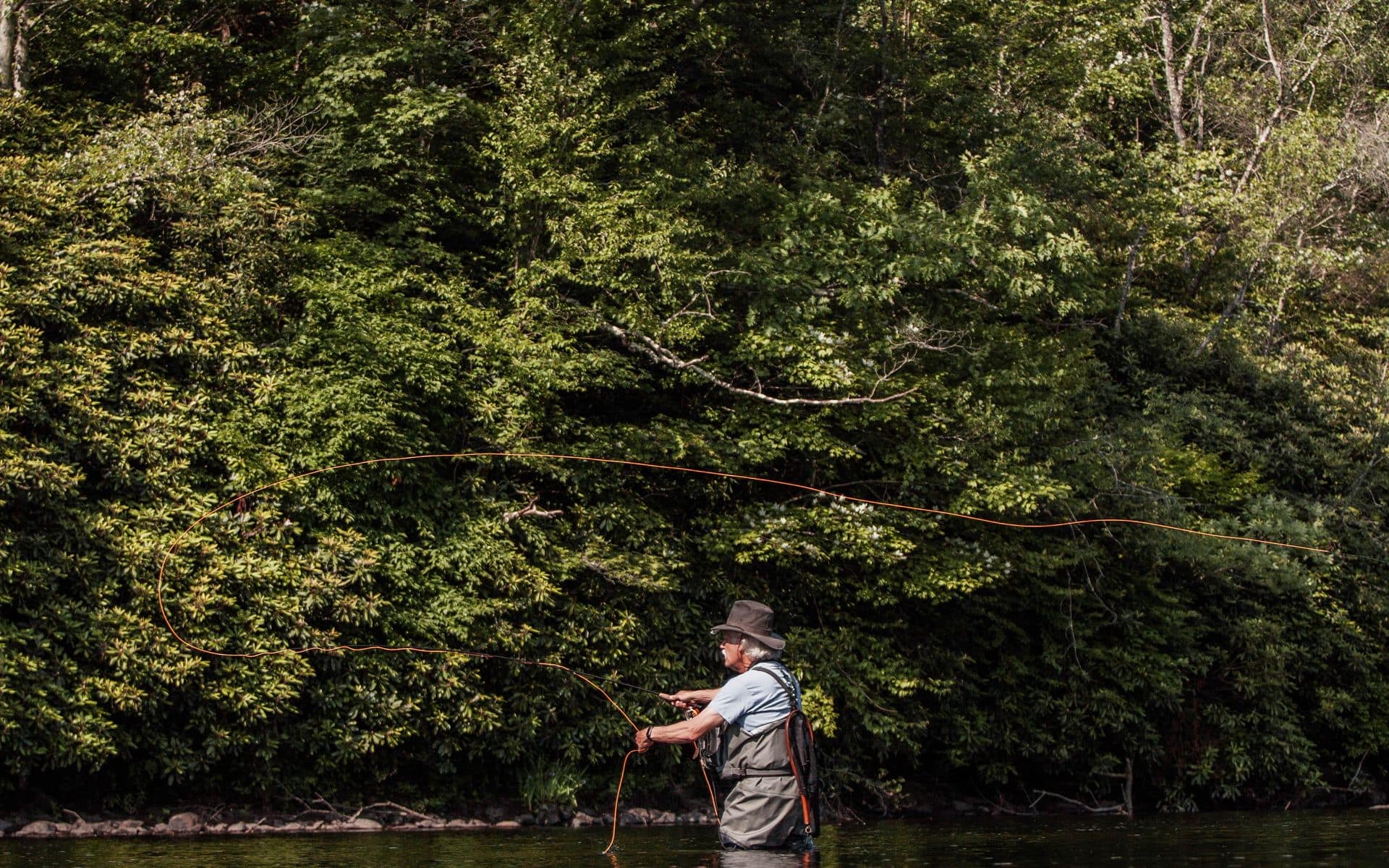
The type of fishing determines how you prepare. Fly fishing on the Battenkill or the Winooski River near Montpelier means wading, reading currents, and matching hatches. A 5- or 6-weight rod handles most Vermont trout water, though the White River near Royalton and the Black River in Springfield call for heavier lines if you are targeting the larger brown trout that hold in the deep pools. Lake Champlain fishing is a different world: trolling for walleye before dawn, casting jigs along rocky points for smallmouth bass, or drifting weed edges for northern pike. A 12- to 16-foot aluminum boat handles most lake conditions, and rental boats are available at marinas in Burlington, Shelburne, and Colchester.
Ice fishing runs January through mid-March on most Vermont waters. Check the Vermont Fish and Wildlife ice fishing guide for exact dates by region, as Northeast Kingdom lakes often remain open a few days longer than the rest of the state. Lake Champlain ice fishing is popular in Grand Isle and St. Albans Bay where reliable ice forms each winter. Tip-ups for yellow perch and walleye are the most common rigs, and most rental fish shacks come equipped with a wood stove and basic gear. Local anglers on Lake Willoughby drill in on the north end specifically, where cold spring-fed water keeps rainbow trout active through February even during mild winters, a detail most first-time visitors miss.
A Vermont fishing license is required for anyone 15 or older. Non-residents can buy a 1-day license (estimated $28) or an annual license (estimated $63) through the Vermont Fish and Wildlife online portal. Residents pay an estimated $28 for an annual license. Some waters require a trout and salmon stamp on top of the base license, so download and read the current regulation booklet before your trip.
Best Season for Fishing in Vermont
Spring (April through June) is the busiest window on Vermont's rivers. Trout season opens on the second Saturday in April on most waters, and the Battenkill in late May sees the Hendrickson hatch that dry-fly anglers plan their trips around. On the Connecticut River near Bellows Falls and Brattleboro, the American shad run peaks in May and early June, a fast fish that takes small shad darts on a light spinning rod. Spring is also when walleye move shallow to spawn on Lake Champlain, making them easier to target from shore in the first two weeks after ice-out. If you are visiting in late March or early April, maple sugaring season is in full swing on the hillsides above the same river valleys.
Summer (July and August) is prime time for Lake Champlain bass and pike. Smallmouth hold on the rocky ledges off the Champlain Islands and the shelves near Burlington's waterfront. Walleye, however, push deep and turn nocturnal in warm weather. On Lake Champlain, the hour before sunrise and the 45 minutes after sunset account for a disproportionate share of summer walleye catches compared to midday, anglers who show up at the launch before 5 a.m. consistently outfish those who arrive at 9.
Fall (September through mid-October) is the most visually rewarding window for fishing in Vermont. The foliage turns on the hillsides above the water, and brown trout go into their pre-spawn feeding frenzy. The Battenkill in Arlington, about 10 miles south of Manchester along Route 313, is worth the detour in late September. Fall also brings landlocked salmon activity on Lake Memphremagog, where September trolling produces reliably. If you are driving the Vermont fall foliage road trip, build a morning on the water into the route. The Northeast Kingdom leg of the best fall foliage drives passes close enough to Lake Willoughby that stopping to fish the inlet stream adds less than an hour to the day.
Typical Costs (Estimates)
A Vermont non-resident fishing license runs an estimated $28 for one day or $63 for the full year. Residents pay roughly $28 annually. Buy online through the Vermont Fish and Wildlife portal before your trip so you are legal the moment you reach the water. Some waters require an additional trout and salmon stamp; the cost is modest but the requirement is real.
Hiring a licensed guide for a half-day float on the Battenkill or a similar river runs an estimated $250 to $350 for two anglers, typically including a drift boat, all tackle, and a streamside lunch. Full-day guided trips run an estimated $400 to $600 for two. Lake Champlain guides who specialize in walleye and bass trolling often charge by the boat rather than per person, expect an estimated $300 to $500 for a half day for a party of up to four.
Ice fishing guide trips on the Northeast Kingdom lakes run an estimated $150 to $250 per person and usually include shelter, gear, and bait. Renting a fish house on your own typically costs an estimated $75 to $150 per day for a heated shack and basic equipment. Gear is rarely worth hauling from home unless you have specific rod and reel preferences built around jigging.
To find licensed Vermont tour operators including fishing guides and outfitters across the state, browse the operator directory and filter by region.
How to Plan Your Fishing Trip
Manchester makes the most logical base for river anglers targeting the Battenkill. Route 7A runs alongside fishable stretches through Manchester and Arlington, and the Orvis flagship store in Manchester village stocks local fly patterns and can point you toward current conditions and independent guide services. After a morning on the water, Hildene's 412-acre grounds, the former Robert Todd Lincoln estate on Hildene Road, offer a genuinely good afternoon walk a short drive from the river access points.
Burlington works well for Lake Champlain fishing, and Burlington International Airport (BTV) puts you about 45 minutes from Stowe if you want to combine a mountain trip with lake time. Several marinas in Burlington, Colchester, and Grand Isle rent boats by the day, and the Lake Champlain Maritime Museum in Ferrisburgh publishes a useful map of public boat launches. If you want to experience the lake beyond fishing, Whistling Man Schooner Co. runs two-hour sailing tours from Burlington's College Street waterfront, a different perspective on the same water.
For Connecticut River fishing and the shad run, Brattleboro is the practical base in the south. The Marina, a riverside restaurant in Brattleboro on Spring Tree Road, serves smoked trout crostini and straightforward pub food right on the water, a reasonable stop after working the river. Brattleboro sits about 2.5 hours south of Burlington on I-91.
If you plan to combine fishing with other Vermont outdoor activities, the Battenkill valley is flat enough for road cycling and the Mad River Valley near Waitsfield offers both trout streams and excellent back-road riding. The cycling and gravel riding page covers the routes that run closest to the best fishing waters.
Frequently asked questions
Do I need a fishing license in Vermont?
Yes. Anyone 15 or older must hold a valid Vermont fishing license. Non-residents can purchase a 1-day license for an estimated $28 or an annual license for an estimated $63 through the Vermont Fish and Wildlife online portal at vtfishandwildlife.com. Some waters also require a trout and salmon stamp on top of the base license. Licenses are not available at the water's edge, so buy online or at a licensed agent before you arrive.
When does trout season open in Vermont?
Trout season on most Vermont rivers and streams opens on the second Saturday in April. Some designated year-round open waters allow fishing outside this window with additional restrictions. The Battenkill in Manchester, the White River near Royalton, and the Winooski near Montpelier all follow the standard April opening schedule. Early-season weekends at popular access points draw crowds, so arriving before 7 a.m. or fishing mid-week significantly improves the experience.
What is the best lake for fishing in Vermont?
Lake Champlain is Vermont's most productive fishery by species count, holding walleye, smallmouth and largemouth bass, northern pike, muskellunge, yellow perch, and lake trout in a single body of water. For cold-water species specifically, landlocked salmon and lake trout, Lake Willoughby in the Northeast Kingdom is the more specialized destination. It drops over 300 feet, which keeps temperatures low enough for these fish through July and August when shallower lakes become too warm. Lake Memphremagog near Newport on the Canadian border is the go-to choice for September salmon trolling.
Is the Battenkill River good for fly fishing?
The Battenkill is one of the most recognized wild trout streams in the eastern United States. It holds self-sustaining populations of brown trout and some rainbow trout, runs clear and cold off limestone seeps, and the fish are selective enough that technique matters more than brute-force gear. The most consistently productive water sits a 15- to 20-minute walk from the road, anglers who stay at the obvious pullouts near Manchester see less consistent fishing than those who cover ground and find unpressured pools. The best hatches are the Hendricksons in late May and Trico hatches in late August, both of which bring trout to the surface reliably in good years.