The Short Answer
Late September through mid-October is when most people come, and for good reason: fall foliage in Vermont is the real thing. But the state has four genuinely distinct seasons, and each draws a different kind of traveler. Skiers chase January through March at Stowe, Killington, Jay Peak, and Sugarbush. Summer hikers and lake swimmers hit their stride in July and August on Lake Champlain and along the 272-mile Long Trail. And maple sugaring from late February through early April is an only-in-Vermont experience that most visitors never see. The one stretch to plan around carefully is mud season, roughly mid-March through early May, when rural dirt roads soften and some inns close entirely for the off-season.
Your entry point matters. Burlington International (BTV) is the most convenient airport for the northern two-thirds of the state, putting you about 45 minutes from Stowe and roughly 1.5 hours from Woodstock. Fly into Albany (ALB) or Boston Logan (BOS) if you're driving up through southern New England first. If your trip centers on the wild, forested corner of the state north of St. Johnsbury, read our Northeast Kingdom guide before you commit to a routing. Full details on every airport option and driving approach are on our Vermont Airports and Getting There page.
Fall Foliage Season: Late September Through Mid-October
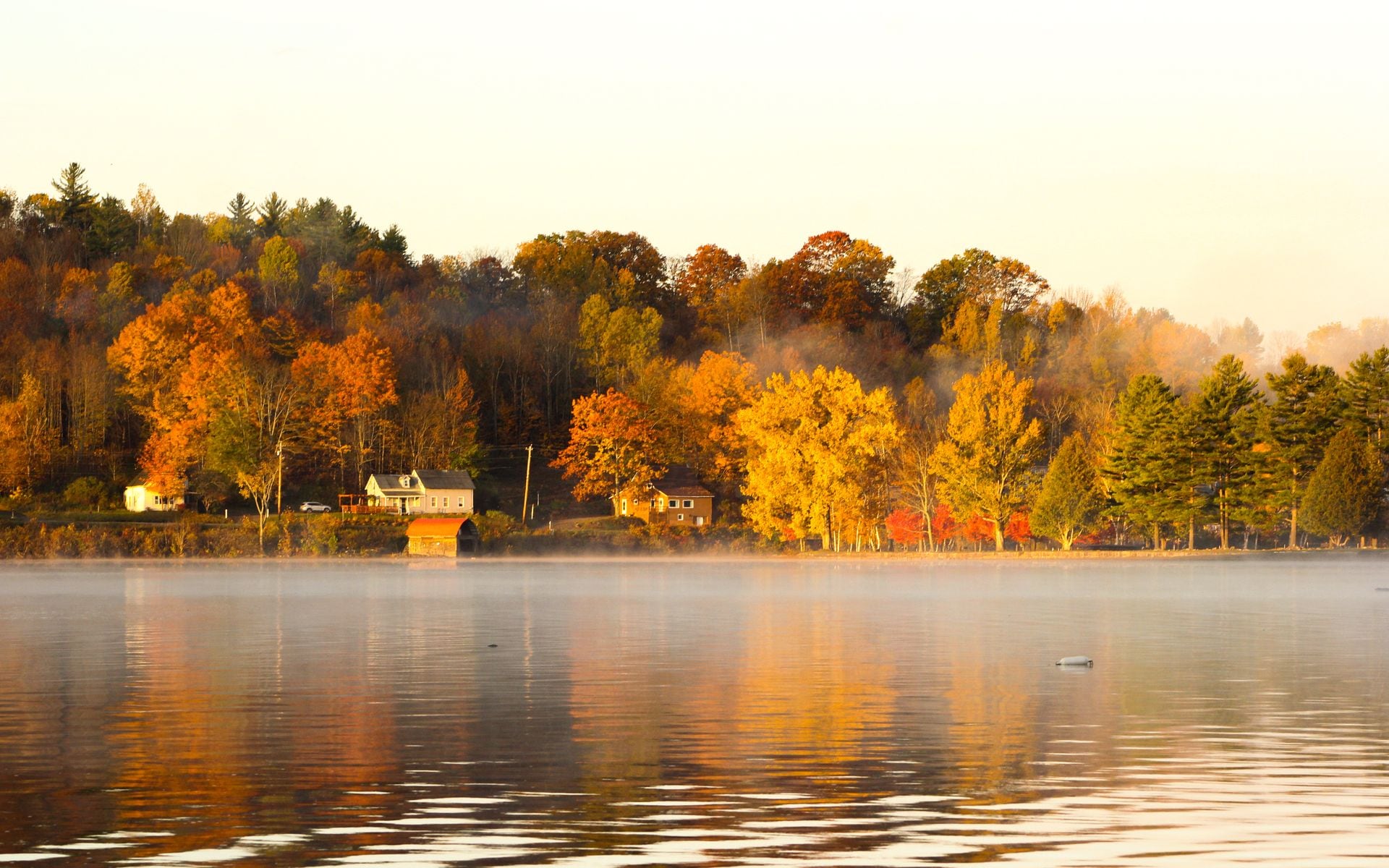
This is Vermont's marquee season. The shift from green to red, orange, and gold typically starts at higher elevations and in the northern counties in the third week of September, then works its way south and downhill over two to three weeks. The Northeast Kingdom, the forested stretch of Orleans, Caledonia, and Essex counties near the Canadian border, turns first, often peaking around the last week of September into the first week of October. The hills above Stowe and the Mad River Valley follow close behind. Southern Vermont, including the area around Manchester and Brattleboro, can hold color into the third week of October.
For the full timing breakdown by region and elevation, see our When to See Vermont Fall Foliage guide. The short version: foliage does not peak statewide at once. If you plan around Columbus Day weekend expecting the entire state to be at peak color, you may find the Northeast Kingdom already past its best and southern Vermont still a few days out. Know which part of the state you're visiting and target your dates accordingly.
Foliage season also brings the highest lodging rates of the year. Inns and B&Bs in Woodstock, Stowe, and Manchester routinely run $300 to $500 or more per night at peak weekends, with many requiring two-night minimums. Book six to eight weeks ahead for late September or early October stays. If your schedule is flexible, mid-week in the second or third week of October often means lower rates, open rooms, and fewer cars on Route 100 through the Mad River Valley.
Winter and Ski Season: December Through March
Vermont ski season typically opens in late November or December, with Killington often the first to spin lifts and sometimes running terrain in late October on a mix of natural and machine-made snow. The deepest, most reliable conditions come in January and February. Jay Peak, near the Canadian border in Orleans County, averages around 355 inches of snowfall per year, the most of any Vermont resort, and Stowe's Mansfield and Spruce peaks carry a comparable reputation for quality. If you're still weighing where to base yourself, the Vermont Travel Guide breaks down the major ski areas by terrain, crowd level, and off-slope town appeal.
Midweek in January and February offers the best balance of snow quality and value. Lift tickets and lodging both drop on Mondays and Tuesdays compared to Friday and Saturday rates, and you'll ski without much of a queue at Killington's six peaks or Sugarbush's two linked mountains. Killington often keeps terrain open into April, sometimes into early May, making it the state's longest season by a wide margin. One winter-specific detail to note: Route 108 through Smugglers Notch closes to vehicle traffic in November and doesn't reopen until late spring, so plan alternate routes if you're moving between Stowe and Jeffersonville during ski season.
Summer: June Through August
Summer in Vermont runs warm rather than hot. Burlington averages high temperatures in the mid-70s Fahrenheit in July and August, and the Green Mountains stay noticeably cooler than the Lake Champlain corridor. This is the season for hiking sections of the Long Trail, swimming in Lake Champlain (water temperatures peak in the low-to-mid 70s in July and August), exploring farm stands that open by late June, and visiting the farmers' markets that run weekly in Burlington, Montpelier, and Middlebury through early fall. The Ben and Jerry's Factory tour in Waterbury runs daily year-round, but summer lines are shorter than fall and parking is easier to find.
Summer is also the quietest season for most of the state's tourist infrastructure, meaning lodging rates drop and popular towns like Woodstock and Stowe feel considerably less crowded than they will in October. This is also the only time to drive Route 108 north through Smugglers Notch, which opens in late spring after the snowpack clears and closes again in November. The Mount Mansfield Auto Toll Road, which climbs partway up Vermont's highest peak at 4,395 feet, also runs from late May through mid-October on clear days and is worth the short detour from Stowe village.
Spring: Mud Season and Maple Sugaring
March and April in Vermont are an honest mix. The maple sap runs when daytime temperatures rise above freezing and nights drop back below, which typically means sugarhouses across the state are boiling sap from late February through early April. You can visit working operations on the Vermont Maple Sugar Makers' Association's self-guided tour route, which covers producers from Addison County up through Washington and Caledonia counties. Buying a jug of fresh syrup straight from the sugarhouse costs less than the same bottle in a Burlington gift shop in October, sometimes by half.
The complication is that the same freeze-thaw cycle driving the sap also softens dirt roads. Rural back roads in towns across Caledonia, Orange, and Washington counties post seasonal weight limits and sometimes close entirely through mud season, which runs roughly mid-March into early May depending on the year's snowpack and elevation. Some smaller inns and B&Bs close for two to four weeks in April rather than deal with the slack period between ski season and summer. If you plan a spring visit, stick to paved state routes and confirm your lodging is open before you book travel. The reward for tolerating the off-season is a quieter, cheaper Vermont, and the landscape goes from brown to green fast once the trees leaf out in mid-May.
Season at a Glance
| Season | Months | Main Draw | Crowds | Lodging (estimate) |
|---|---|---|---|---|
| Fall | Late Sept – mid-Oct | Foliage, farm stands, scenic drives | High | $200–$500+/night |
| Winter | Dec – March | Skiing, snowshoeing, cozy inns | Medium–High weekends | $150–$400+/night |
| Summer | June – Aug | Hiking, lake swimming, farm stands | Low–Medium | $120–$300/night |
| Spring | April – May | Maple sugaring, quiet back roads | Low | $90–$200/night |
Practical Tips Before You Book
For foliage season, book lodging six to eight weeks ahead if you want to stay in Stowe, Woodstock, or anywhere along Route 100 through the Mad River Valley on a peak weekend. Popular inns fill even earlier for Columbus Day weekend specifically, which falls in early October and is Vermont's single busiest tourist weekend. For ski season, weekday rates at resorts like Killington and Sugarbush can run 30 to 50 percent lower than Friday-Saturday stays, and January midweek is the sweet spot for combining deep snow with thin crowds. In summer, a week or two of advance notice is usually enough.
Vermont runs on two-lane state highways and the distances are deceptively short on a map but slower than expected once you're on the road. Burlington to Manchester in the southern Green Mountains takes about 2.5 hours under normal conditions, and that's before foliage-season traffic backs up on Route 100. A rental car is effectively required if you plan to go anywhere outside downtown Burlington. Amtrak's Vermonter train reaches Brattleboro, White River Junction, and a handful of southern Vermont towns, but it does not serve Stowe, Killington, or the Northeast Kingdom.
Frequently asked questions
What is the most popular time to visit Vermont?
Late September and early October draw the biggest crowds because of fall foliage. The Northeast Kingdom and elevations above 2,000 feet peak first, often around the last week of September. Southern Vermont can peak two to three weeks later. Expect higher lodging prices and booked-up inns on foliage weekends, particularly around Columbus Day in early October.
Is Vermont worth visiting in the summer?
Yes, and it's underrated as a summer destination. The Green Mountains stay cooler than most of the Northeast, Lake Champlain warms up enough for comfortable swimming by mid-July, and the hiking on the Long Trail is at its best from June through September. Lodging is easier to book and less expensive than during foliage season, and popular towns like Woodstock and Stowe are quieter.
When should I avoid visiting Vermont?
Mud season, roughly mid-March through early May, is the one stretch most experienced Vermont visitors approach with caution or skip altogether. Dirt roads in rural towns can be nearly impassable due to frost heaving, some inns close for several weeks, and the landscape is brown and waterlogged before the trees leaf out. Late May through early June is when Vermont greens up quickly and is genuinely a good time to visit with far fewer people.
How far in advance should I book for fall foliage?
Six to eight weeks ahead for peak weekends in late September and early October, especially in Stowe, Woodstock, Grafton, and Manchester. Some well-known inns fill Columbus Day weekend even earlier. If you miss the window, look for mid-week availability in the second or third week of October, when rates drop and color often still holds in southern Vermont.