Why Visit the Northeast Kingdom
The Northeast Kingdom earns its name, a phrase coined by Vermont senator George Aiken in 1949, because it feels set apart from the rest of the state. You won't find chain stores in Island Pond or traffic jams in Craftsbury. What you get instead is Willoughby Lake, carved between the cliffs of Mount Hor and Mount Pisgah, cold enough to swim in August and dramatic enough to have drawn painters for 150 years. You get the Fairbanks Museum and Planetarium in St. Johnsbury, a Victorian natural history museum built in 1889 with 4,500 mounted specimens and a working weather station that still broadcasts daily forecasts on Vermont Public Radio. And you get Kingdom Trails in East Burke, more than 100 miles of singletrack through conserved farm country and forest, consistently ranked among the top mountain bike destinations in North America. The Vermont Travel Guide covers all six regions of the state, and the Northeast Kingdom is the one that tends to surprise people most.
The Kingdom has no single flagship pulling all the crowds to one spot. The draw is the combination: lakes, forests, ski mountains, and a working agricultural landscape that still feels lived-in rather than staged for visitors. It's a different register than the polished inn-and-restaurant corridor you find in Southern Vermont around Stratton and Manchester, and that difference is the point for many people who make the drive north.
Top Places in the Northeast Kingdom
St. Johnsbury is the largest town and the cultural anchor of the region. The Fairbanks Museum and Planetarium (1889) and the St. Johnsbury Athenaeum, a functioning public library with an original 1871 art gallery featuring Albert Bierstadt's large-scale panoramic canvas, sit within a few blocks of each other on Main Street. The compact Victorian downtown runs along Railroad Street and Eastern Avenue with a handful of restaurants, a co-op, and a craft brewery.
Newport sits at the southern end of Lake Memphremagog, a 32-mile lake that crosses into Quebec, Canada. The Newport City Marina is the launch point for kayaks, canoes, and motorboats, and the lake's north end opens into Quebec's Eastern Townships. Derby Line, 8 miles north of Newport on Route 5, has one of the more unusual border crossings in North America: the international boundary runs through the middle of the Haskell Free Library and Opera House, so the stage is in Canada and the seating is in the United States.
East Burke is the mountain biking village at the edge of the Kingdom Trails network. The village holds a few hundred people and a cluster of small inns, a general store, and Kingdom Trails' main trailhead. Burke Mountain ski area sits just above the village, giving the town a year-round outdoor recreation anchor that keeps it functioning across all four seasons.
Jay Peak Resort anchors the north, sitting about 20 miles from the Canadian border near the town of Jay. Jay Peak receives more natural snowfall than any other Vermont resort, averaging over 350 inches per season, driven by storms that sweep down from the Great Lakes and St. Lawrence River. The indoor Pump House water park operates year-round at the base.
Craftsbury and Craftsbury Common, two small hill towns on dirt roads off Route 14, hold the Craftsbury Outdoor Center, which runs groomed Nordic ski and biathlon trails in winter and rowing camps on Hosmer Pond in summer. Island Pond, in Essex County, is the region's most remote hub, a former railroad junction now surrounded by working timberland, with Brighton State Park and lake access right in town.
Top Things to Do
Mountain biking at Kingdom Trails (East Burke) is the region's signature warm-weather activity. The network covers more than 100 miles of singletrack across conserved private and public land, with day passes running around $20 per adult (estimate). Trails open when the ground firms up, typically late May, and close in late October after the first hard frosts. The Burke Mountain lift system serves upper-elevation trails in summer and fall.
Skiing and snowboarding at Jay Peak Resort is the winter headline. Jay Peak's aerial tram, which has operated since 1966, lifts riders to the 3,968-foot summit where wind-driven snow accumulates deepest. Day lift tickets run approximately $80-$120 depending on the date and how far in advance you book (estimate). The base-area Pump House indoor water park, with pools, slides, and a surf simulator, operates separately and is included in many resort packages, making Jay Peak one of the more practical family destinations in Vermont even in January.
Hiking at Willoughby Lake is one of the better half-day options in Vermont without a major crowd. The south trailhead on Route 5A puts you on the Mount Pisgah trail, a 4-mile round trip with consistent views over the lake and a 1,400-foot elevation gain. The cliffs on both shores support peregrine falcon nesting in April and May, so the lower section of the trail may have seasonal closures during that window. The lake itself sits at 1,100 feet elevation and drops to 300 feet depth, which keeps it clear and cold through August.
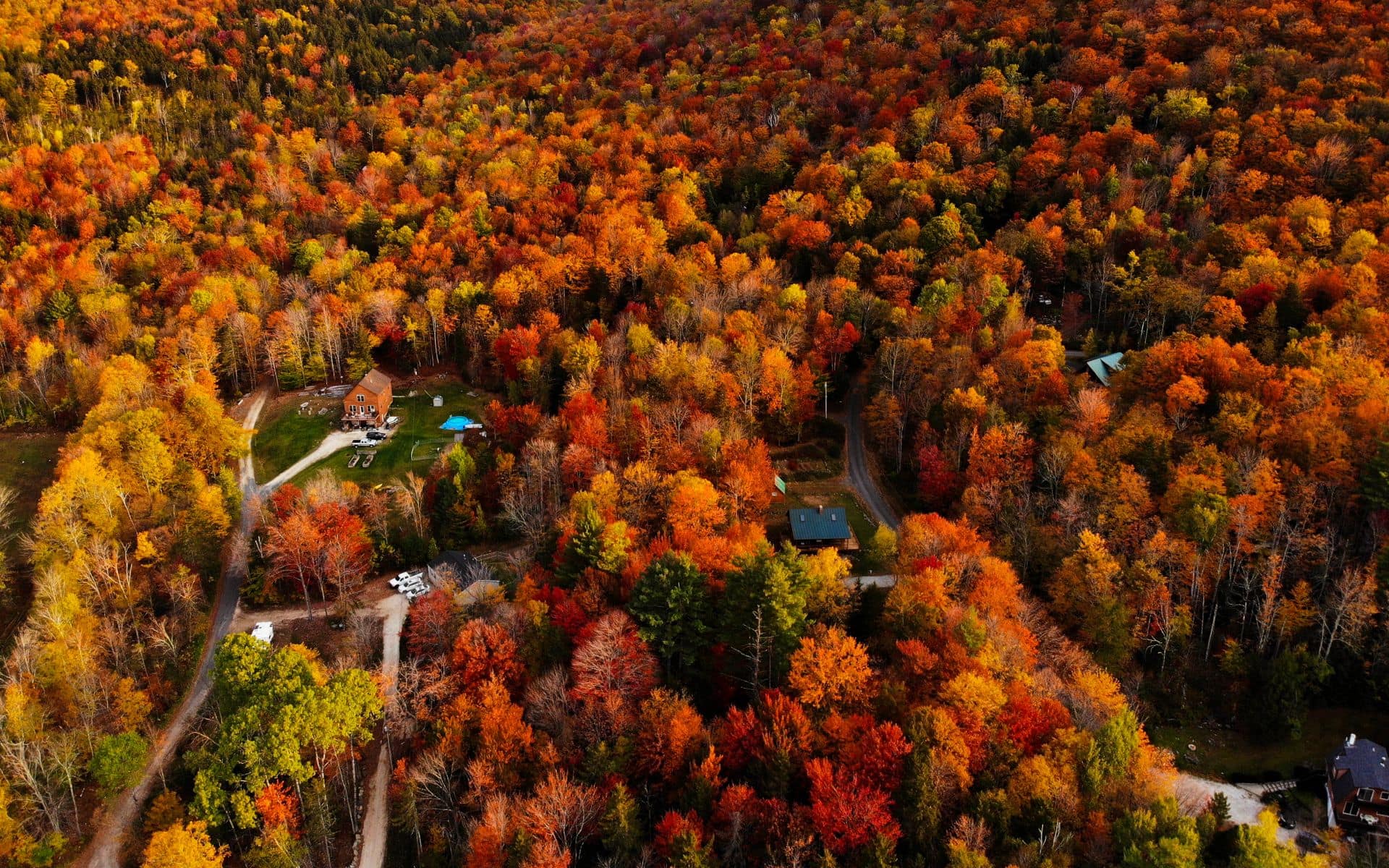
Fall foliage is the Northeast Kingdom's strongest draw, and the region turns first. A loop from St. Johnsbury north on Route 5 to Lyndonville, west to Barton and Crystal Lake, then back south on Route 16 covers roughly 60 miles through some of the most open pastoral foliage country in Vermont, with lake reflections and ridge lines that hold color well into the first week of October. For driving routes that include the Kingdom, the Best Fall Foliage Drives in Vermont guide maps specific roads and lookouts.
Fishing is productive throughout the region's glacial lakes. Willoughby Lake, Lake Seymour near Morgan, and Crystal Lake in Barton all hold rainbow trout, brown trout, and yellow perch. The Passumpsic River running through St. Johnsbury and the Black River in Caledonia County both carry native brook trout in their upper reaches. Vermont fishing licenses are required and available online or at local hardware stores; a non-resident annual license runs approximately $28 (estimate, subject to change).
The Northeast Kingdom Fall Foliage Festival runs over two weekends in late September and early October across a cluster of towns: Barton, Glover, Craftsbury, Greensboro, and others rotate hosting farm tours, studio open houses, and sugarhouse visits. It's a low-key, town-run event rather than a produced festival, which is what makes it worth attending. Tickets are inexpensive and most events are free.
Where to Stay
The Northeast Kingdom has a thinner lodging infrastructure than central or southern Vermont, but enough options to anchor a multi-day trip. St. Johnsbury has a cluster of motels and small inns along US-2 and US-5, typically running $100-$180 per night (estimate). East Burke has a handful of inns and B&Bs near the Kingdom Trails entrance, with rates ranging from $120-$220 per night (estimate) and most properties filling up on summer weekends.
Jay Peak Resort offers slope-side condos and hotel rooms that include access to the Pump House water park; rates range from around $150 per night for a room in shoulder season to $350 or more for a multi-room condo in peak ski weeks (estimate). Craftsbury Outdoor Center rents dorms, private rooms, and cottages to guests who aren't enrolled in programs, with rates roughly $100-$200 per night depending on season and meal plan (estimate).
Camping is one of the better options in the region. Brighton State Park on Island Pond (Route 105) has lakeside sites, a beach, and modern facilities; campsites run around $20-$35 per night (estimate). Maidstone State Park on Maidstone Lake in Essex County is one of the more remote campgrounds in Vermont, with no cell service and sites that fill quickly in July and August. For a full comparison of lodging types and pricing across Vermont, the Where to Stay in Vermont guide breaks down options from ski-in condos to state park cabins.
Getting There and Around
Burlington International Airport (BTV) is the closest major hub, about 1.5 hours from St. Johnsbury via I-89 East and US-2 East, and about 2 hours from Jay Peak via I-89 North and Route 100 North through Hyde Park. If you're traveling from Montreal, Pierre Elliott Trudeau International Airport (YUL) is about 1.5-2 hours to Newport via the Quebec Autoroute 10 and US-91. Boston Logan (BOS) is about 3.5 hours to St. Johnsbury via I-93 North and I-91 North; expect more during peak foliage weekends.
A car is not optional. The Northeast Kingdom runs on two-lane state highways (US-2, Route 5, Route 5A, Route 14, Route 16, Route 100) and a network of unpaved town roads. Route 114 connects East Burke to Newport. Route 58 cuts west to east through the hills between Irasburg and Lyndonville, a particularly scenic drive in October. Gas stations thin out considerably in Essex County; fill up in Newport or St. Johnsbury before heading northeast. In winter, particularly north of Lyndonville toward Jay, snowfall is heavy and roads can be icy. All-wheel drive with winter tires is advisable from November through March. In mud season (April to mid-May), some unpaved town roads close to vehicles above a certain weight.
Best Time to Visit
Fall is the marquee window for the Northeast Kingdom, and it arrives here before it reaches the rest of Vermont. Foliage typically peaks in the last week of September, one to two weeks ahead of central Vermont and nearly three weeks ahead of the southwestern corner of the state. The higher terrain around Jay Peak and Burke Mountain starts turning first, followed by valley towns like St. Johnsbury, Lyndonville, and Newport. Because the timing shifts slightly year to year, track the Vermont fall foliage reports (the state posts weekly updates) and book lodging by mid-August at the latest for peak weekend stays. October rooms in the Kingdom go quickly.
Summer (late June through August) is ideal for mountain biking, swimming, and hiking. Average July highs in St. Johnsbury run around 80°F in the valley, with cooler conditions on the higher ridgelines. Black flies are heavy from late May through mid-June at most elevations, so if you're camping or trail riding in that window, pack insect repellent.
Winter from December through March is ski season, with Jay Peak running its best natural-snow conditions in January and February when lake-effect and storm-track moisture drives the deepest accumulations. Burke Mountain is smaller, quieter, and less expensive. Spring (April into early May) is mud season: sugaring runs from mid-February into early April across the region's sugarhouses, and it's a good time to visit a working maple operation if you call ahead.
Frequently asked questions
When does fall foliage peak in the Northeast Kingdom?
The Northeast Kingdom is the first part of Vermont to turn each year, typically peaking in the last week of September. Higher terrain near Jay Peak and Burke Mountain shows color first, with valley towns like St. Johnsbury and Newport following a few days later. The full window usually runs from mid-September through the first week of October. This is roughly one to two weeks earlier than Woodstock and two to three weeks earlier than Manchester and southern Vermont. Watch Vermont's state foliage reports and book lodging by mid-August if you want peak weekend availability.
Is the Northeast Kingdom worth the drive from Burlington or Stowe?
Yes, with two or more days to spare. Burlington to St. Johnsbury is about 1.5 hours via I-89 and US-2, and the landscape changes noticeably: you move from mountain-town polish to farm country and glacial lakes. Kingdom Trails in East Burke is a destination-grade mountain bike network that draws riders from across New England specifically for it. Willoughby Lake is one of the most geologically striking spots in Vermont. If you want to compare the NEK with the more developed end of the state, the page on Southern Vermont lays out what that corridor offers.
What is there to do in the Northeast Kingdom in winter?
Skiing and snowboarding are the primary draws. Jay Peak Resort near Jay gets more natural snowfall than any other Vermont resort (averaging over 350 inches per season) and has over 70 trails, a high-speed tram to the 3,968-foot summit, and an indoor Pump House water park that operates year-round. Burke Mountain in East Burke is smaller and less crowded. The Craftsbury Outdoor Center in Craftsbury grooms Nordic ski and biathlon trails through rolling farm country, suitable for all ability levels. Snowshoeing on trails around Willoughby Lake and Brighton State Park on Island Pond rounds out the options.
Do I need a car to visit the Northeast Kingdom?
Yes, a car is required. There is no practical public transit serving the region. The main arteries (US-2, Route 5, Route 100, Route 114) are paved, but most of the best scenery and many campgrounds and trailheads are on unpaved town roads. From Burlington International Airport (BTV), the drive to St. Johnsbury is about 1.5 hours and to Jay Peak about 2 hours. Gas stations are sparse in Essex County, so fill your tank in Newport or St. Johnsbury before heading toward Island Pond or Maidstone Lake.