The Short Answer
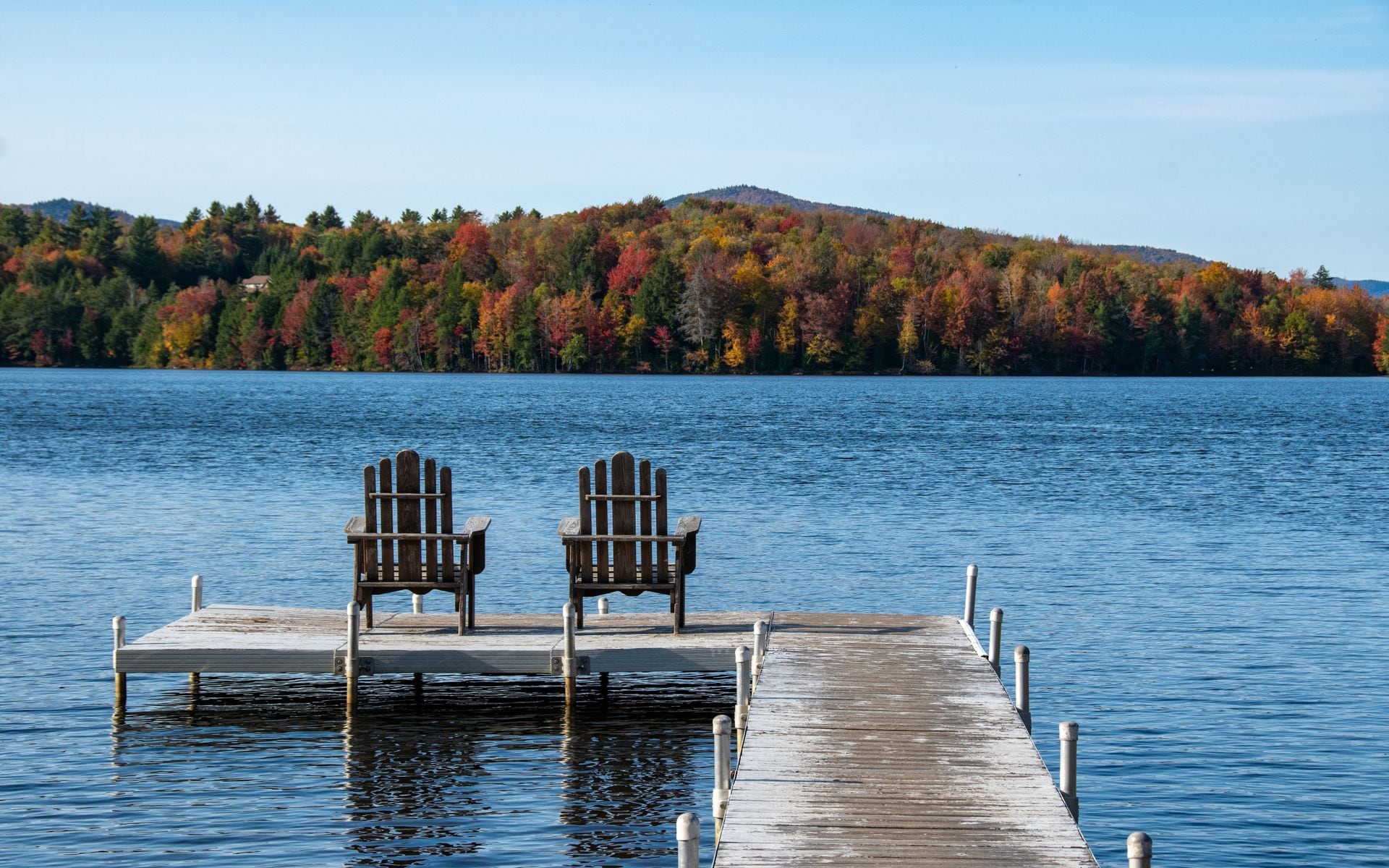
Vermont foliage runs from mid-September in the far north to mid-October in the southern valleys. The basic principle is that elevation and latitude both accelerate the turn: high peaks and northern counties change first, low valleys and the south change last. To put numbers on it, the Northeast Kingdom typically peaks between September 18 and September 28 in an average year. Stowe and the northern Green Mountain slopes follow within three to five days. Woodstock, Quechee, and the Connecticut River valley peak in the last week of September through the first week of October. Manchester, Brattleboro, and southern Vermont finish out around October 8 to October 15.
None of these windows are exact, and they can shift by a week or more depending on the summer that preceded them. The weekly Vermont Foliage Report, published by the Vermont Department of Forests, Parks and Recreation from early September through mid-October, is the most reliable tracking tool available. Check it every Thursday during your planning window rather than committing to fixed dates from a travel article written months before your trip.
How Timing Works
Leaves change when nights cool consistently into the low 40s Fahrenheit, triggering the chemistry that breaks down chlorophyll. Two variables determine when that happens in a given spot: elevation and latitude. Mount Mansfield at 4,395 feet and Camel's Hump at 4,083 feet can be at peak color while the Route 100 valley floors below them are still mostly green, sometimes by 10 to 14 days. A hike on the Camel's Hump trail out of Duxbury in mid-September can deliver full peak color on the ridgeline even when Burlington looks like late summer from the lakeshore.
Summer weather patterns matter too. A dry August is generally good news: moisture-stressed trees tend to develop deeper reds, and the process starts earlier. A warm, wet late summer pushes peak back by five to seven days and tends to produce more yellow and orange than red. These shifts are significant enough that checking conditions before finalizing a non-refundable reservation is worth the time. See the Best Time to Visit Vermont page for a broader look at how each season stacks up.
The Northeast Kingdom, covering Orleans, Caledonia, and Essex counties in Vermont's far northeast corner, turns reliably earliest. A trip timed for the third week of September in the Northeast Kingdom can put you in peak color before the Route 100 corridor crowds build, often by a full week. The trade-off is fewer lodging options and a longer drive from Burlington International (BTV), the main airport for northern Vermont. St. Johnsbury, the region's largest town, is about 1 hour 20 minutes from Burlington via I-91.
Which Roads to Drive
Route 100 is the main leaf-peeping corridor, running south to north through the Green Mountains from Wilmington to Newport. The stretch from Waitsfield through Morrisville and into Stowe is the most visited section, but it can move slowly on peak fall weekends between 10 a.m. and 4 p.m. If you plan to drive it on a Saturday in late September, budget extra time or start early.
Route 108 north of Stowe through Smugglers Notch is narrower and more dramatic, with 1,000-foot cliff walls flanking the pavement and house-sized boulders pushed up alongside the road. The road stays open through foliage season and closes in winter, and it takes you through some of the highest accessible terrain in the state. It connects Stowe to Jeffersonville on the north side and is a reliable early indicator of where the color is, given its elevation.
For the Northeast Kingdom, take Route 2 east from Montpelier to St. Johnsbury, then pick up Route 114 north toward Island Pond or east toward Lyndonville. These roads cover rolling farm country, pond-dotted forest, and small towns that operate well outside the foliage tourism circuit. You will see working farms, dirt-road shortcuts between villages, and the kind of terrain most Vermont fall trips skip entirely.
Route 9 between Brattleboro and Bennington in the south passes through the Hogback Mountain area, where a roadside overlook gives a long western view across the southern Green Mountains. Southern Vermont peaks last, around October 8 to 15, and sees less traffic on its foliage roads than the Stowe and Woodstock corridors. The Vermont Travel Guide covers all six regions if you want to map your route before committing to a base.
Book Early and Budget for Peak Season
Foliage weekends in late September and early October are the highest-demand nights of the year at Vermont inns, B&Bs, and small hotels. A room that runs $120 to $150 in July will commonly list for $250 to $400 during peak foliage weekends, and well-located places in Stowe, Woodstock, and Manchester book out 6 to 8 weeks ahead. Some of the most-requested inns in those towns fill their last peak-weekend rooms by early August. Book as soon as you know your travel dates.
Mid-week is the right call if your schedule allows it. Tuesday through Thursday nights during foliage season are meaningfully quieter, usually $50 to $100 less per night than Friday and Saturday, and the roads and village centers thin out considerably. Woodstock on a Wednesday morning in late September is a genuinely different experience from Woodstock on Saturday afternoon. For a full breakdown of what a foliage trip costs at different price points, see the Vermont Trip Cost and Budget page.
Flying into Burlington International (BTV) is the most convenient option for northern Vermont trips. Visitors from Boston (BOS), New York (JFK or EWR), or Albany (ALB) often drive in, which works well because a rental car at BTV gives you the most flexibility on Vermont's two-lane roads. Public transit does not serve most foliage destinations.
Practical Tips
Pull off safely and completely when you stop to look. Route 100 is narrow in stretches, and stopping halfway onto the shoulder at a curve is a real hazard to the cars behind you. Designated pull-offs exist at most popular viewpoints. In village centers, park once and walk rather than idling through in a slow convoy. Stowe village, Woodstock, and Waitsfield all have central parking areas within easy walking distance of the main draws.
Most of the countryside you drive through is private farmland. The views from the road are yours to enjoy. The fields, orchards, and sugarbush lots behind the fences belong to working farms and are not open to walk through. Do not block farm driveways, leave gates open, or assume a dirt road on a map is a public right-of-way. Farmers are actively harvesting and preparing for winter during September and October.
Mornings deliver the best light and the smallest crowds at every overlook in the state. The difference between arriving at a popular spot at 7:30 a.m. versus 10:30 a.m. is often the difference between quiet photographs and standing in a crowd. This applies to the Stowe Pinnacle trailhead, the covered bridge on Elm Street in Woodstock, Route 9 near Hogback Mountain, and any pullout on Route 100 through the Mad River Valley. The color is the same; the parking lot is not.
Track conditions in the days before your trip, not just when you book. A warm spell in late September can delay peak by several days. A hard wind-and-rain event after peak can strip leaves within 48 hours. The Vermont Foliage Report updates weekly, but weather services update daily, and both are worth checking the week you travel.
Frequently asked questions
What is the best week for Vermont fall foliage?
No single week covers the whole state. The Northeast Kingdom and high elevations of the Green Mountains peak between September 18 and September 28 in a typical year. The Stowe corridor and Mad River Valley follow three to five days later. Woodstock and the Upper Valley peak in the last days of September and the first week of October. Southern Vermont finishes around October 8 to 15. Choose your target week based on which part of the state you plan to visit, then confirm timing with the Vermont Foliage Report in the two weeks before you go.
How far in advance do I need to book lodging for Vermont foliage season?
For peak foliage weekends, which fall in the last two weekends of September and the first weekend of October, plan to book 6 to 8 weeks ahead. Popular inns in Stowe, Woodstock, and Manchester sometimes sell out 10 to 12 weeks before peak weekends. Mid-week stays and lodging in smaller towns give you more flexibility, but even those book faster in fall than any other season. If you are coming for a specific foliage weekend, set a reminder and book the moment you decide to go.
Does foliage season mean crowds everywhere in Vermont?
Crowds concentrate in the well-known corridors: Route 100 between Stowe and Waitsfield, Woodstock village, and Route 100 through southern Vermont. The Northeast Kingdom draws far fewer visitors despite peaking earliest, and the back roads of Caledonia and Essex counties stay quiet even at full-color peak. Going mid-week, visiting before 9 a.m. at popular overlooks, and routing through smaller towns like Craftsbury, Barton, or Hardwick instead of the headline destinations will all produce a noticeably quieter trip.
What happens if I arrive and peak foliage has already passed?
Late-season Vermont is still worth the trip. Fields have a dormant-gold look, farm stands and apple orchards run through mid-October, and the crowds drop sharply after peak. Focus on the southern part of the state, which peaks last, and spend time in towns like Brattleboro, Bellows Falls, and Manchester rather than chasing color that has passed in the north. Vermont's breweries, covered bridges, and cheese producers are open year-round, and the smaller towns are genuinely easier to move through once the leaf-peeping traffic clears.
Is it worth visiting Vermont for foliage if I can only come on a weekend?
Yes, but set your expectations on traffic and lodging cost. Peak foliage weekends are the busiest and most expensive nights of the year in Vermont. Route 100 moves slowly on Saturday afternoons, and parking in village centers fills by late morning. The foliage itself is real and worth seeing regardless of the crowds. Arriving Friday evening, getting an early start Saturday morning, and avoiding the main corridors during midday will give you a much better experience than rolling in at noon on a Saturday and expecting open roads.