Burlington International Airport (BTV) is Vermont’s main air gateway, a compact regional airport in South Burlington with direct routes from major Northeast and mid-Atlantic hubs. Here’s what to expect from the moment you touch down.
What Burlington Airport Is Like
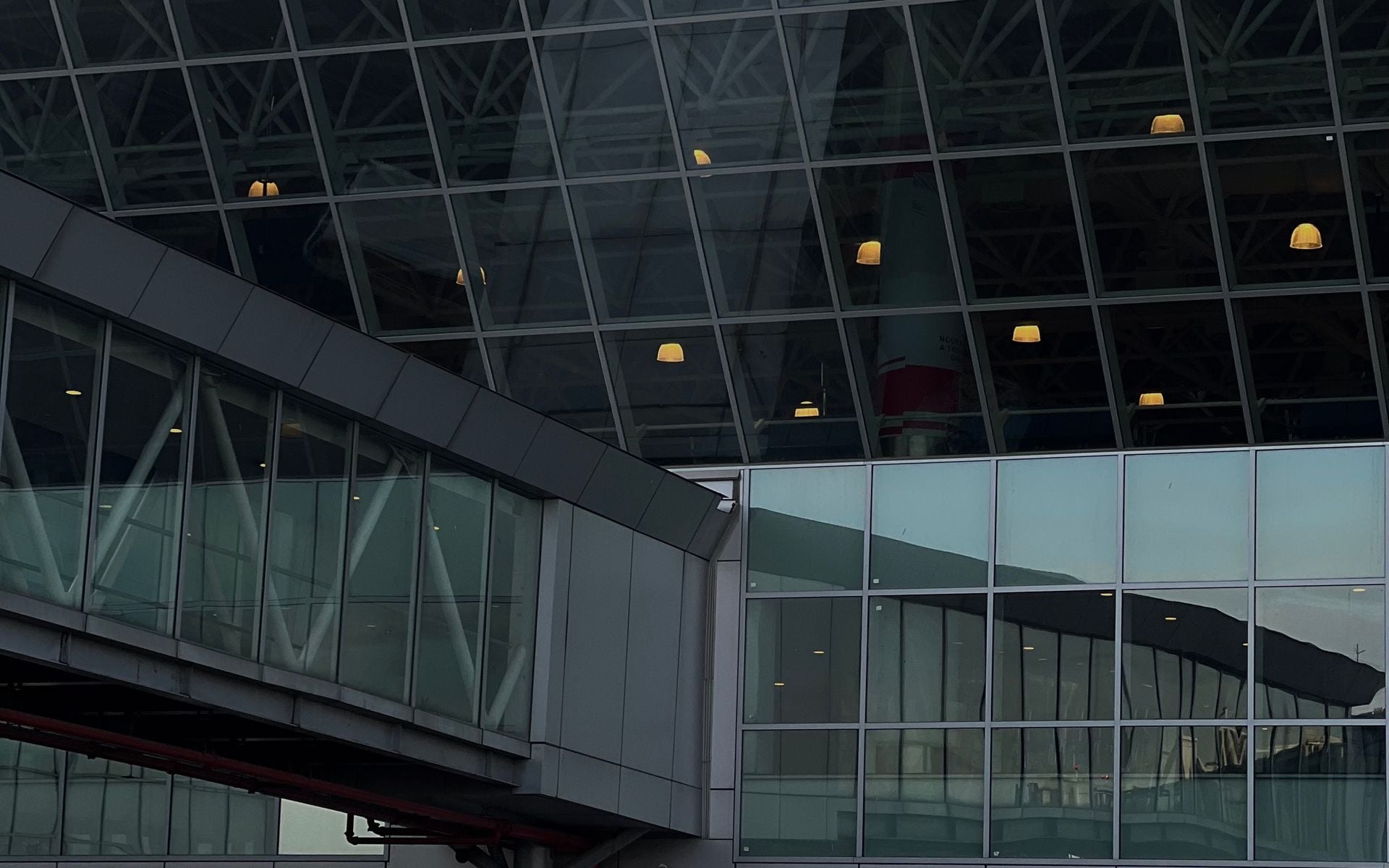
BTV sits in South Burlington on Williston Road, about 3 miles east of the Lake Champlain waterfront and roughly 4 miles from Church Street Marketplace in downtown Burlington. It’s a single-terminal regional airport with two concourses, which means bag claim and ground transportation are a short walk from your gate. You will not need an airport shuttle to transfer between terminals, and the whole sequence from gate to car rental counter typically takes 20 to 30 minutes on a normal travel day.
What makes BTV genuinely useful for Vermont travelers: the airport handles direct flights from enough Northeast and mid-Atlantic cities that many visitors don’t need to connect through a sprawling hub. The trade-off is thinner flight inventory, with fewer departures per day than you’d find at Boston Logan (BOS) or Albany (ALB). If you miss your outbound flight, rebooking options narrow fast, especially during peak foliage season in late September and early October, and on heavy ski weekends in January and February. Build buffer time on both ends of your trip.
Airlines and Routes Into BTV
Regular service into Burlington comes from Delta (connecting through Detroit and Atlanta), United (through Newark and Washington Dulles), and American (through Philadelphia and Charlotte). JetBlue runs seasonal routes, particularly during ski season from December through March. Cape Air operates turboprop flights on smaller regional routes connecting BTV to other New England airports.
Nonstop flight times give you a sense of BTV’s reach: Boston (BOS) to Burlington is about 55 minutes in the air, New York (JFK or LGA) runs around 90 minutes, and Philadelphia (PHL) is similar. From Atlanta or Chicago, expect about 2 hours 30 minutes nonstop when service operates. Routes and frequencies shift by season. Ski season (December through March) and foliage season (mid-September to mid-October) see the most demand. Summer has solid lift from June through Labor Day at competitive fares. Spring, Vermont’s mud season from March through May, has the lowest travel volume and often the lowest airfares if your dates are flexible.
One thing seasoned BTV travelers know: foliage season seats sell out weeks before peak color. If you’re planning a late September or early October trip, get your flights booked by late July or August. Waiting until three weeks out during foliage season often means paying a significant premium or routing through an extra connection. The best time to visit Vermont page breaks down the trade-offs across all four seasons.
Drive Times from BTV to Vermont’s Key Destinations
A rental car is not a convenience at BTV, it’s a requirement. Vermont runs on two-lane state highways, rural back roads, and stretches of I-89, and there’s no intercity transit connecting Burlington to Stowe, Killington, Woodstock, or any other destination worth visiting on a Vermont trip. Pick up your car before you leave the terminal.
Drive times from BTV under normal conditions, on roads where logging trucks, slow RVs, and farm equipment are part of the equation: Burlington to Stowe is about 45 minutes, heading northeast on I-89 to Exit 10, then Route 100 north through Waterbury into Stowe village. Burlington to Waterbury (Ben and Jerry’s Factory and the brewery corridor) is about 35 minutes on the same route, I-89 south to Exit 10. Burlington to Montpelier, the state capital, takes roughly 40 minutes on I-89 south to Exit 8. Burlington to Woodstock runs about 1 hour 30 minutes via I-89 south to Route 4 east through Quechee. Burlington to Killington is 1 hour 45 minutes on the same Route 4 corridor, continuing west through Woodstock and up into the mountains. Burlington to Manchester in southern Vermont takes about 2 hours 30 minutes, heading south on I-89 then cutting south on Route 7. Burlington to St. Johnsbury and the Northeast Kingdom runs about 1 hour 15 minutes via I-91 north.
I-89 is the backbone of Vermont’s road network, and BTV’s location near its northern end makes the airport a natural base for trips to Stowe, Waterbury, and central Vermont. For destinations in the Upper Valley or southern Vermont, you’ll spend more time on the road than from Albany (ALB), which is worth factoring in if Woodstock or Manchester is your primary destination. The Vermont Airports and Getting There page covers all the gateway options and how they stack up by region.
Renting a Car at Burlington Airport
Car rental counters at BTV are in the main terminal, steps from baggage claim. Hertz, Enterprise, Avis, National, and Budget maintain regular presences at the airport. Rates vary sharply by season: summer and foliage season typically run $70 to $120 per day for a midsize car, while ski season inventory tightens and prices can climb to $100 to $150 per day. Booking two to three weeks ahead during any peak period keeps costs reasonable and guarantees you have a vehicle.
If you’re visiting between November and April, all-wheel drive is worth the upgrade fee. Vermont’s hilly two-lanes and unpaved back roads get icy and snow-packed, and a front-wheel drive compact is not the vehicle you want heading up Mountain Road in Stowe or into the Northeast Kingdom on a January morning. Vermont law doesn’t require snow tires, but the roads do. Most rental agencies at BTV carry AWD SUVs in their inventory, though they book out fast during ski weekends.
Hotels Near Burlington Airport
If you’re arriving late or departing early and want to skip a long drive after landing, a few properties near BTV make sense as a first-night or last-night base. The Best Western Plus Windjammer Inn & Conference Center sits on Williston Road in South Burlington, about 5 minutes from the terminal. It’s a straightforward full-service hotel with indoor and outdoor pools and a complimentary hot breakfast that includes real Vermont maple syrup, a small detail that separates it from the generic airport-adjacent options in most states. The Essex Resort & Spa in Essex Junction is 10 to 15 minutes from BTV and offers full spa facilities, a culinary center, and farm-to-table dining at the Tavern. It’s a better choice if you want a proper resort stay for the first or last night rather than just somewhere to sleep before an early flight.
For travelers who want to be in Burlington proper, Hotel Vermont on Cherry Street puts you 15 minutes from BTV in the Church Street Marketplace neighborhood. It’s one of the more polished hotels in the state, with local ingredients running through the menu at Juniper, their street-level restaurant. Parking in downtown Burlington adds roughly $25 to $35 per day to the bill, which is worth factoring into the total cost versus a South Burlington property with free parking.
What to Do on Your First Day After Landing
Most Vermont trips work best when you drive toward your destination the same day you land rather than spending the first night in Burlington. BTV’s early flight windows from Boston and New York mean you can realistically land by noon, pick up your car, and be in Stowe by 1:30 pm or Woodstock by 2 pm, leaving a solid afternoon for a first look around.
If you do have a night in Burlington, the Church Street Marketplace on the pedestrian mall downtown and the Burlington waterfront along Lake Champlain are two places worth a few hours. From the waterfront, on a clear day you can see the Adirondacks across the lake in New York, and in fall the Green Mountains behind the city are often showing color while Burlington itself is still green. The Vermont Travel Guide has itinerary pages organized by trip length and season to help you think through the routing from BTV.
Thinking ahead: if you’re trying to figure out how long your Vermont trip should be, the page on how many days you need in Vermont gives realistic estimates based on where you’re based and what you want to see. And if a covered bridge or two is on the list, the Vermont covered bridges guide covers the best ones along the roads south from Burlington, including the Stowe Covered Bridge just a few minutes off Route 100.
Frequently asked questions
Does Burlington Airport (BTV) have direct flights from New York?
Yes. BTV has nonstop service from New York area airports including JFK and LGA, typically operated by JetBlue and United, with flight times of about 90 minutes. Frequencies vary by season, with more options during ski season from December through March and foliage season in late September and early October. Book early during those windows since seats sell out well ahead of peak dates.
Do I need to rent a car at Burlington Airport?
For nearly every Vermont trip, yes. Vermont has no intercity transit connecting Burlington to Stowe, Killington, Woodstock, Manchester, or the Northeast Kingdom. Even Burlington’s local CCTA bus system won’t get you to the mountains or the villages you came to see. Hertz, Enterprise, Avis, National, and Budget all have counters at BTV. Book ahead during foliage season and ski weekends, when inventory runs thin.
How far is Burlington Airport from Stowe, Vermont?
About 45 minutes under normal driving conditions. Take I-89 north from the airport area to Exit 10 in Waterbury, then Route 100 north through the village of Waterbury and up into Stowe. In winter, plan extra time for snow-covered roads and stick to all-wheel drive or a car with good winter tires.
Is Burlington the best airport to fly into for Vermont?
It depends on your destination. BTV is the clear choice for Stowe, the Waterbury corridor, Burlington itself, and the Champlain Islands. For Woodstock and Killington, BTV is still a solid option at about 1.5 to 2 hours. For Manchester, Stratton, and southern Vermont, Albany (ALB) in New York cuts the drive to about 1 hour 30 minutes, versus 2 hours 30 minutes from Burlington. For the Upper Valley around Woodstock and Quechee, Lebanon Municipal Airport (LEB) in New Hampshire is close but has limited service. The Vermont Airports and Getting There page covers each option in detail.
What is the cheapest time to fly into Burlington?
Spring mud season (March through May) and late fall (early November through early December, before ski season ramps up) typically have the lowest fares and thinnest crowds. Summer (June through August) sits in the middle. The most expensive windows are foliage season (mid-September through mid-October) and the peak ski weekends from late December through Presidents’ Day in February.