Vermont runs mid-to-upper on the cost scale for US travel, but what you spend depends heavily on when you go, where you sleep, and how much of the state’s outdoor recreation you take advantage of. Plan well and you can do Vermont for far less than the sticker shock of peak-weekend inn rates might suggest.
The Honest Price Range
A weekend trip for two, two nights at a solid inn, meals out both days, a paid attraction or two, lands somewhere between $500 and $1,200 depending on season and region. That’s a wide range, and the gap comes almost entirely from lodging and timing. Burlington and Stowe carry higher prices than Montpelier or Manchester. Peak foliage (roughly late September through the second week of October) and ski weekends in January and February push everything up 20 to 40 percent compared to the same itinerary in June or November. The Vermont Trip Cost and Budget guide breaks these down by season and travel style so you can model your actual trip.
Lodging: Where Most of the Budget Goes
Inns and B&Bs are Vermont’s signature stay, and they’re not cheap. Expect to pay $150 to $250 per night at a decent independent inn during shoulder season (May through mid-September, excluding holiday weekends). During foliage season and peak ski weekends, those same rooms climb to $250 to $400 or more, and properties in Stowe and Woodstock regularly reach $400 to $600 for a well-regarded inn. Budget travelers do better in Montpelier, Brattleboro, or at chain properties along I-89 in Williston or St. Albans, where mid-week rates from $100 to $160 are more common.
Vacation rentals and cabins split the difference: a rented farmhouse sleeping six in the Northeast Kingdom might run $250 to $350 per night total, which works well for groups and brings the per-person cost below most inn stays. If you’re visiting during foliage season, book at least six to eight weeks ahead. Popular inns in Woodstock and Stowe sell out for the last week of September and first week of October months in advance.
Food and Drink: Affordable to Splurge-Worthy
Restaurant meals in Vermont reflect local food costs, which run 5 to 15 percent above the national average. A casual dinner for two at a pub or farm-to-table spot in Burlington or Stowe typically runs $60 to $90 with drinks. In Montpelier, the smallest state capital in the US, with no chain restaurants downtown, you can eat well at independent spots for $40 to $60 for two. The Waterbury corridor along I-89, roughly halfway between Burlington and Stowe, punches above its size for food value: strong craft beer, local cider, and good sandwiches without resort-town markup.
Vermont’s breweries and cideries are a genuine deal for what you get. Tasting flights run $12 to $18 at most spots, and many breweries don’t charge a cover. Cheese and maple farm stand visits are often free or a few dollars and are among the more Vermont-specific things you can do at any budget. The Ben & Jerry’s factory tour in Waterbury runs about $6 per adult, and the outdoor Flavor Graveyard, a tongue-in-cheek burial ground for discontinued flavors, is free to wander whether you buy a ticket or not.
Activities: More Free Than You Might Expect
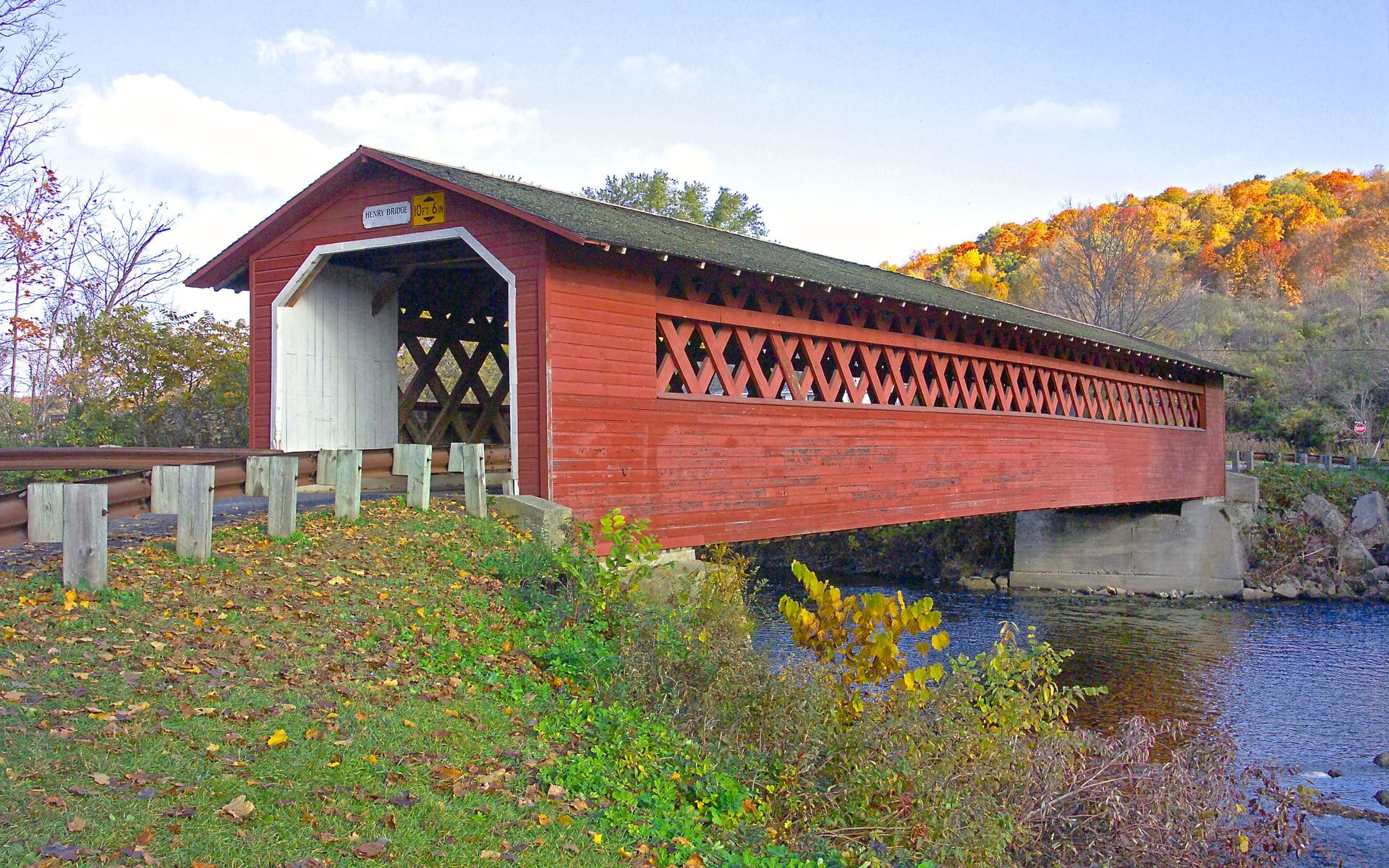
Vermont’s outdoor recreation costs nothing. Hiking trails in the Green Mountain National Forest, walking covered bridges, swimming in the Battenkill River near Arlington or at Lake Elmore State Park, and driving Route 100 south from Waterbury through the Mad River Valley are all free. The Quechee Gorge overlook from the Route 4 bridge is a free five-minute stop with a serious view. The Long Trail, running 272 miles along the Green Mountain spine from the Massachusetts border to Canada, costs nothing to access.
Paid attractions are few but can be worth the price. The Shelburne Museum, about 7 miles south of downtown Burlington, runs around $28 for adults and covers 39 buildings of American folk art, historic carriages, and a full-scale steamboat on 45 acres, easily a half-day. Stowe Mountain Resort’s gondola ride in summer costs $30 to $35 per person for the view from 3,625 feet. For winter, lift tickets at major resorts are where the real budget strain shows: Stowe, Killington, and Sugarbush charge $100 to $175 per person per day for single-day tickets bought at the window, though advance multi-day purchases and season passes bring that down considerably.
When You Go Changes Everything
March and April are mud season and Vermont’s quietest travel period. Ski season winds down (Killington and Jay Peak often run into early May), trails are soft and sometimes impassable, and tourism infrastructure slows. Lodging rates drop 20 to 35 percent compared to foliage season. June is an underrated budget window: waterfalls are running full from snowmelt, the hills are green, and summer rates haven’t climbed to their July-August peak. The full breakdown of when to visit Vermont covers the tradeoffs by season and helps you match the visit to your priorities.
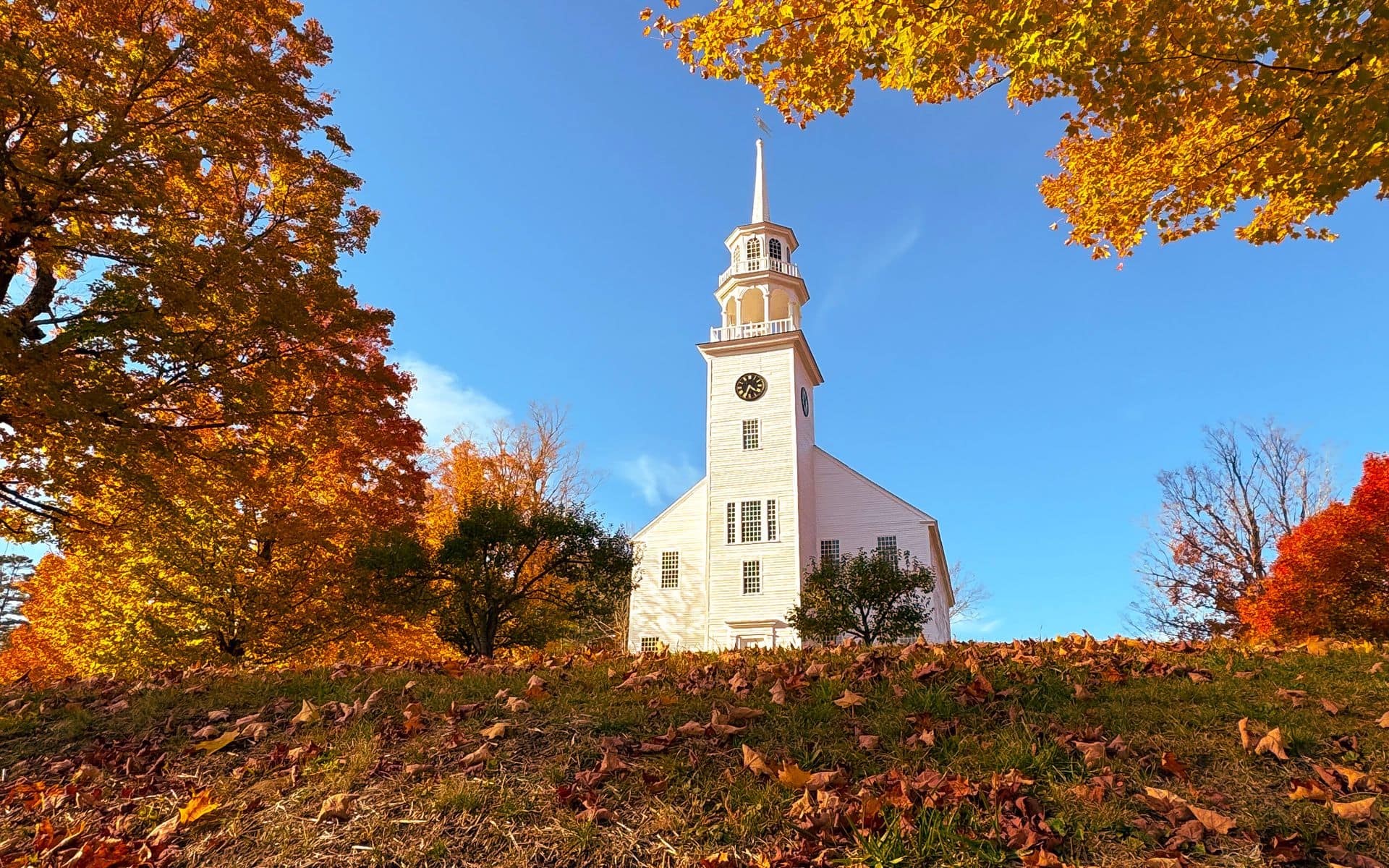
Foliage season is worth the premium if you plan for it, but the window is narrow. The Vermont foliage route guide explains the timing: the Northeast Kingdom and the high elevations around Mount Mansfield turn first, typically the last week of September, and colors roll south and downhill through mid-October. A mid-week foliage trip during the second week of October in southern Vermont, around Manchester or Brattleboro, often means lighter crowds and marginally lower rates than the peak late-September weekend rush up north near Stowe.
Getting There and Getting Around
Burlington International (BTV) is the main entry airport, but limited carrier competition keeps fares higher than flying into Boston Logan (BOS) or Manchester-Boston Regional (MHT) in southern New Hampshire and renting a car. BOS to Burlington is about 3 hours and 30 minutes by car; MHT to Stowe runs roughly 2 hours and 15 minutes. Albany (ALB) works well if you’re targeting southern Vermont, it’s about 1 hour and 45 minutes from Manchester, Vermont. Vermont has no interstate tolls, but gas prices run slightly higher than in neighboring states, particularly in rural areas away from I-89 and I-91. Budget $50 to $80 in gas for a long weekend loop covering Burlington, Stowe, and Woodstock, roughly 200 miles of driving on two-lane roads. For a full picture of arrival options and how the roads connect, the Vermont Travel Guide covers all of this.
Practical Ways to Keep Costs Down
Travel mid-week when possible. Inn rates in Vermont are structured around weekend demand, and Tuesday through Thursday nights typically run $30 to $60 cheaper than the same room on Saturday. Consider booking accommodation in Montpelier, Middlebury, or Barre instead of Stowe or Woodstock, then day-tripping to the pricier destinations, this cuts lodging cost without sacrificing much. Pack a cooler: Vermont’s farm stands, grocery co-ops, and farmers markets give you access to excellent local food at a fraction of restaurant prices. Burlington’s Saturday morning market on City Hall Park, running from May through October, is one of the better ones in New England for cheese, bread, produce, and prepared food. Plan around free activities first, the back-road drives, the Long Trail trailheads, the gorges, the covered bridges, the lake swimming, and fill paid experiences around them rather than the reverse.
Frequently asked questions
What is the cheapest time to visit Vermont?
Mud season (mid-March through early May) and November are the quietest, lowest-cost periods. Inn rates drop 20 to 35 percent from peak, and many properties run mid-week packages. November is cold and the hills are bare, but if rates matter more than scenery, it’s the clearest off-season window. Late June, before summer pricing peaks, also offers reasonable rates with fully green hills and running waterfalls from snowmelt.
How much does a Vermont weekend trip cost per person?
Budget around $300 to $400 per person for a basic two-night weekend: splitting a mid-range inn room for two ($150 to $200 per night), two dinners out ($35 to $50 each person), a few lunches and snacks ($20 to $30), and mostly free outdoor activities. Add $50 to $75 if you want one paid attraction such as the Shelburne Museum near Burlington, the Ben & Jerry’s factory tour in Waterbury, or a gondola ride at Stowe Mountain Resort. Foliage and ski weekends push this up by 20 to 40 percent across the board.
Is Vermont more expensive than other New England states?
Vermont is comparable to Maine and New Hampshire in most categories and less expensive than Massachusetts or coastal Connecticut. The main cost driver is that Vermont lodging leans heavily toward independent inns and B&Bs rather than chain hotels, which raises the average room rate. There’s also no large city with cheap urban accommodation options outside Burlington, so the floor for lodging is higher than in states with more budget-hotel inventory near major highways.
Do I need to pay for parking in Vermont?
Burlington’s Church Street area and downtown waterfront have paid garage parking at roughly $1 to $2 per hour or $10 to $15 for a full day. In smaller Vermont towns, Woodstock, Stowe Village, Montpelier, Manchester, parking is free or on short-timer meters with no payment required. At ski resorts, day-use parking is generally included at no extra charge.