What to Expect in Burlington
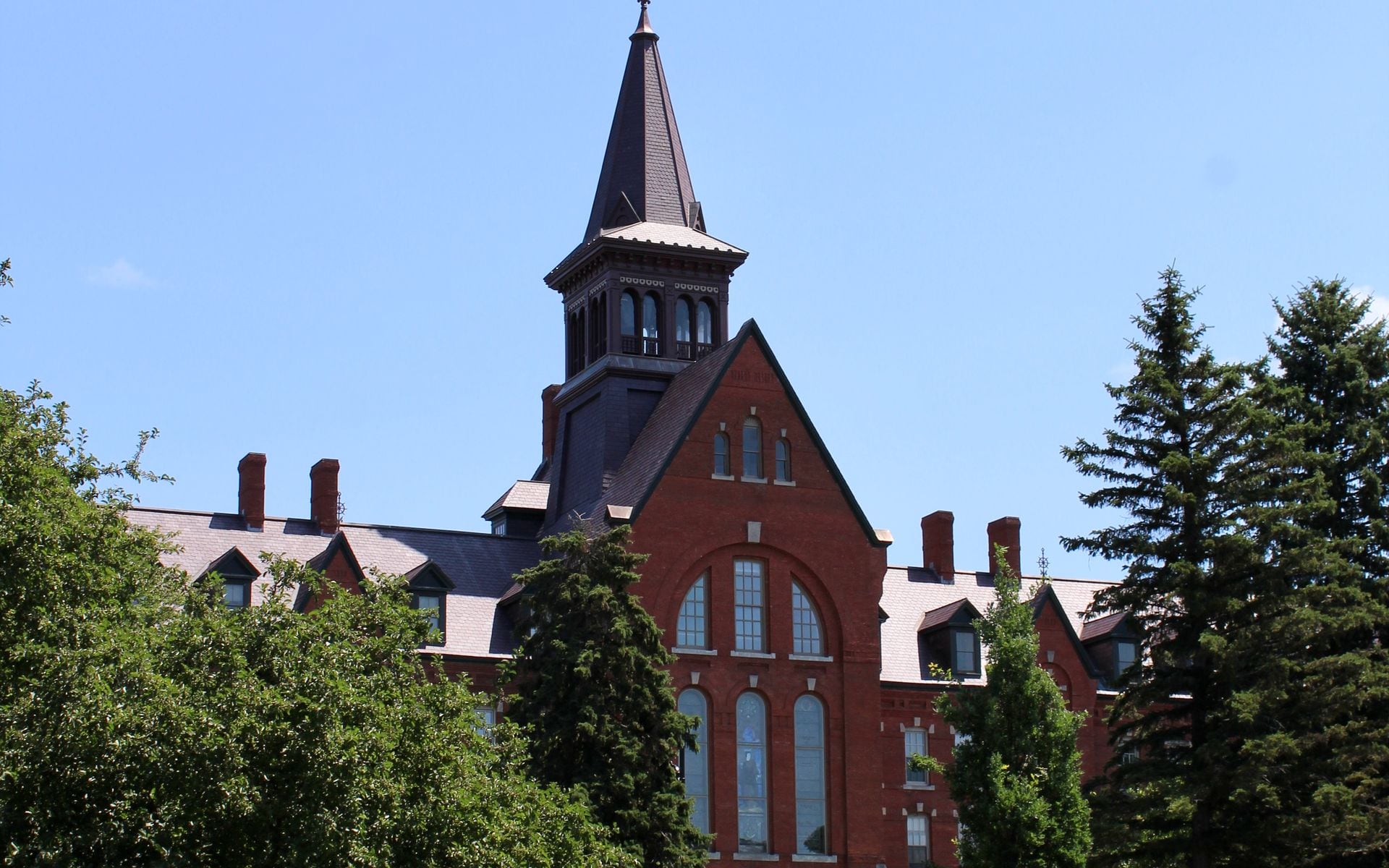
Burlington is Vermont's largest city, with about 45,000 people in the city proper, and the surrounding metro area of around 225,000. The tallest buildings are University of Vermont research towers on the hill east of downtown, but the city punches well above its size when it comes to food, drink, arts, and things to do. It reads like a college town that took the food seriously: compact, walkable, and dense enough that a long afternoon of wandering covers a lot of ground.
The four-block pedestrian Church Street Marketplace runs downhill from Pearl Street to Bank Street and is the commercial core, with outdoor seating, independent shops, and street performers from late spring through fall. Below Church Street, a few blocks takes you to Waterfront Park and the 9-mile Island Line Trail, a paved bike path heading north along the lake toward the Colchester Causeway and, via a seasonal bike ferry, to the Champlain Islands. The ECHO Leahy Center for Lake Champlain sits at the waterfront and is a hands-on science museum built around the lake's ecology, good for families with kids.
The University of Vermont runs up the hill east of Church Street, and the student population keeps the restaurant and bar scene active year-round. Burlington has more dining options per square block than anywhere else in Vermont. Hen of the Wood on Cherry Street is the go-to for refined, local-sourced cooking with a serious wine list. American Flatbread Burlington and Mothership Brewery on St. Paul Street does wood-fired flatbreads and brews its own beer on-site in a casual, communal space. Farmhouse Tap and Grill on Bank Street covers the middle ground with local craft beer and straightforward food built around regional sourcing. The Flynn Center for the Performing Arts on Main Street books touring shows, film screenings, and local productions throughout the year.
What to Do in Burlington
The waterfront is where Burlington spends its warm-weather hours. Waterfront Park has a beach and launch access for kayaks and canoes. Whistling Man Schooner Co., departing from College Street, runs two-hour sailing tours on Lake Champlain from late spring through fall, including popular evening cruises. The Island Line Trail starts at the waterfront and runs 12 miles north to the Colchester Causeway. A seasonal bike ferry at the end of the causeway connects to South Hero on Grand Isle, making the islands reachable by bike from downtown in a half-day.
The South End brewery and cider corridor along Flynn Avenue and Lake Street is one of the better craft-drink clusters in New England. Foam Brewers on Lake Street, a few blocks from the waterfront, makes small-batch IPAs and experimental beers in a compact taproom with outdoor seating that faces the water. Burlington Beer Co. and Citizen Cider both sit on Flynn Avenue in the South End Arts District, within easy walking distance of each other: Burlington Beer Co. is known for hop-forward ales and Citizen Cider focuses on dry Vermont apple ciders made from local fruit. All three are worth a Saturday afternoon.
If you plan to explore the wider region, Burlington is the cleanest staging point. The Lake Champlain ferry to Port Kent, New York departs from Burlington's waterfront and the crossing takes about 60 minutes. Shelburne is 7 miles south on Route 7: Shelburne Farms occupies a Gilded Age estate on the lake shore, and the Shelburne Museum spreads across 45 acres with 39 exhibition buildings of American folk and decorative art. The Saturday farmers' market at City Hall Park (May through October) draws vendors from across the Champlain Valley and is worth building a morning around.
Getting There and Access
Burlington International Airport (BTV) is about 3 miles east of downtown in South Burlington, off Williston Road. Direct service runs from New York JFK, LGA, and EWR, Boston Logan (BOS), Philadelphia (PHL), Washington D.C. (DCA and IAD), Chicago O'Hare (ORD), and a handful of other hubs. The Boston flight takes about an hour.
Driving from Boston to Burlington is roughly 3.5 hours via I-93 North to I-89 North through Concord, New Hampshire. From New York City, plan on 5 to 5.5 hours via I-87 North to I-89 North through Albany. Montreal is 95 miles north via I-89, about 1.5 hours in normal conditions. Burlington to Stowe is 37 miles east on I-89 to Route 100 North, typically around 45 minutes. Burlington to Woodstock runs about 1.5 hours via I-89 South to Route 4. Manchester in the south is roughly 2.5 hours.
Amtrak's Vermonter stops in Essex Junction, about 4 miles east of downtown Burlington, but a car is necessary for anything outside the city. For lodging, Hotel Vermont on Cherry Street is the first choice for downtown: it's independently operated, within walking distance of Church Street and the waterfront, and the design leans into local materials and craft. The Homewood Suites in South Burlington works well for families or longer stays that need kitchen access.
Best Time to Go in Burlington
Burlington is a reasonable destination year-round. Summer (late June through August) is the peak window: the waterfront fills up, outdoor dining runs at full tilt, and the lake is warm enough to swim by July. The Church Street street performers and outdoor seating make the pedestrian mall feel genuinely alive from June through September.
Fall foliage in Burlington typically peaks in early to mid-October. Because the city sits at a lower elevation on the lake shore, it turns a week or two after the high country and the Northeast Kingdom. If you want to catch the full color arc, use Burlington as the base for day trips east into the Green Mountains or north toward the Kingdom. The best fall foliage drives in Vermont all reach Burlington within a few hours of driving.
Winter in Burlington is cold and snowy: January averages a high of 26°F and a low around 9°F. The city does not shut down, though, and the restaurant and arts scene stays active. Stowe Mountain Resort is 45 minutes east, making a Burlington base work for a ski trip if you don't want to stay slope-side. Spring mud season (March into April) is the quietest and cheapest window, with some mud-season closures on back roads but fully open city amenities.
Good to Know Before You Visit Burlington
Burlington is the hub of the Lake Champlain and Burlington region, which also covers Shelburne, the Champlain Islands chain, and the western slopes south to the New York border. If you're combining a Burlington stay with Lake Champlain exploration or a ferry day trip to the Adirondacks, the city's central waterfront position makes all of it easy to sequence.
Parking downtown is metered on the streets or paid in a handful of city garages. The Church Street Marketplace itself is pedestrian-only, so plan to park a block or two away and walk in. The St. Paul Street garage and the College Street garage are the most convenient. Most downtown hotels have parking, though it may be an added fee.
July and August are the busiest months. Outdoor concerts, the Vermont Brewers Festival in July, and the Champlain Valley Fair in late August mean some weekends book out well in advance. Outside those peak windows, Burlington is easy to book with a week's notice in most seasons. For a ski-season stay, note that Burlington has a limited number of downtown hotels, and holiday weekends in February fill quickly because of the Stowe proximity.
Frequently asked questions
Is Burlington worth visiting without a car?
Downtown Burlington is genuinely walkable and a car-free stay is doable if you plan to stay in the city. Church Street, the waterfront, the breweries on Flynn Avenue and Lake Street, and most restaurants are reachable on foot from any downtown hotel. The Island Line Trail lets you bike toward the islands without a car. That said, Shelburne, Stowe, and essentially all of the wider Vermont landscape require a car. If you plan to leave Burlington for even a day, rent one.
How far is Burlington from Stowe, Vermont?
Stowe is about 37 miles from Burlington via I-89 East to Exit 10, then Route 100 North through Waterbury. In normal conditions the drive takes around 45 minutes. It's a standard day trip from Burlington: take a morning hike or ride the Stowe Recreation Path, and be back for dinner in the city.
What are the best restaurants in Burlington, Vermont?
Hen of the Wood on Cherry Street is the benchmark for a special meal, with a seasonal menu built around Vermont farms and a thoughtful wine list. American Flatbread Burlington and Mothership Brewery on St. Paul Street handles wood-fired pizzas and house beer in a communal room that works for groups. Farmhouse Tap and Grill on Bank Street covers local sourcing in a more casual, beer-focused setting. The Daily Planet on Center Street is the long-running vegetarian-friendly option with creative comfort food.
When does fall foliage peak in Burlington?
Burlington typically sees peak color in the first two weeks of October, a bit later than the Northeast Kingdom or the high peaks. The lake-level elevation and the city's location in the Champlain Valley mean it turns after the high country. If you want to catch both the early high-elevation color and the later lowland peak, a visit in late September through early October covers the full arc.