The Short Answer
Vermont rewards the prepared traveler. The state's elevation and latitude can swing the thermometer hard: a summer afternoon on Mount Mansfield (4,395 feet, the highest point in the state) can turn cold and wet by 2 p.m. even in July, and a foliage weekend in the Northeast Kingdom can bring nights in the low 30s°F while the days still reach 60°F. The constants, no matter which month you visit: layers you can peel off and add back, waterproof footwear, and a rain shell you can stuff in a daypack. Check the Best Time to Visit Vermont guide before you pack so your list matches what your travel dates deliver.
Packing by Season
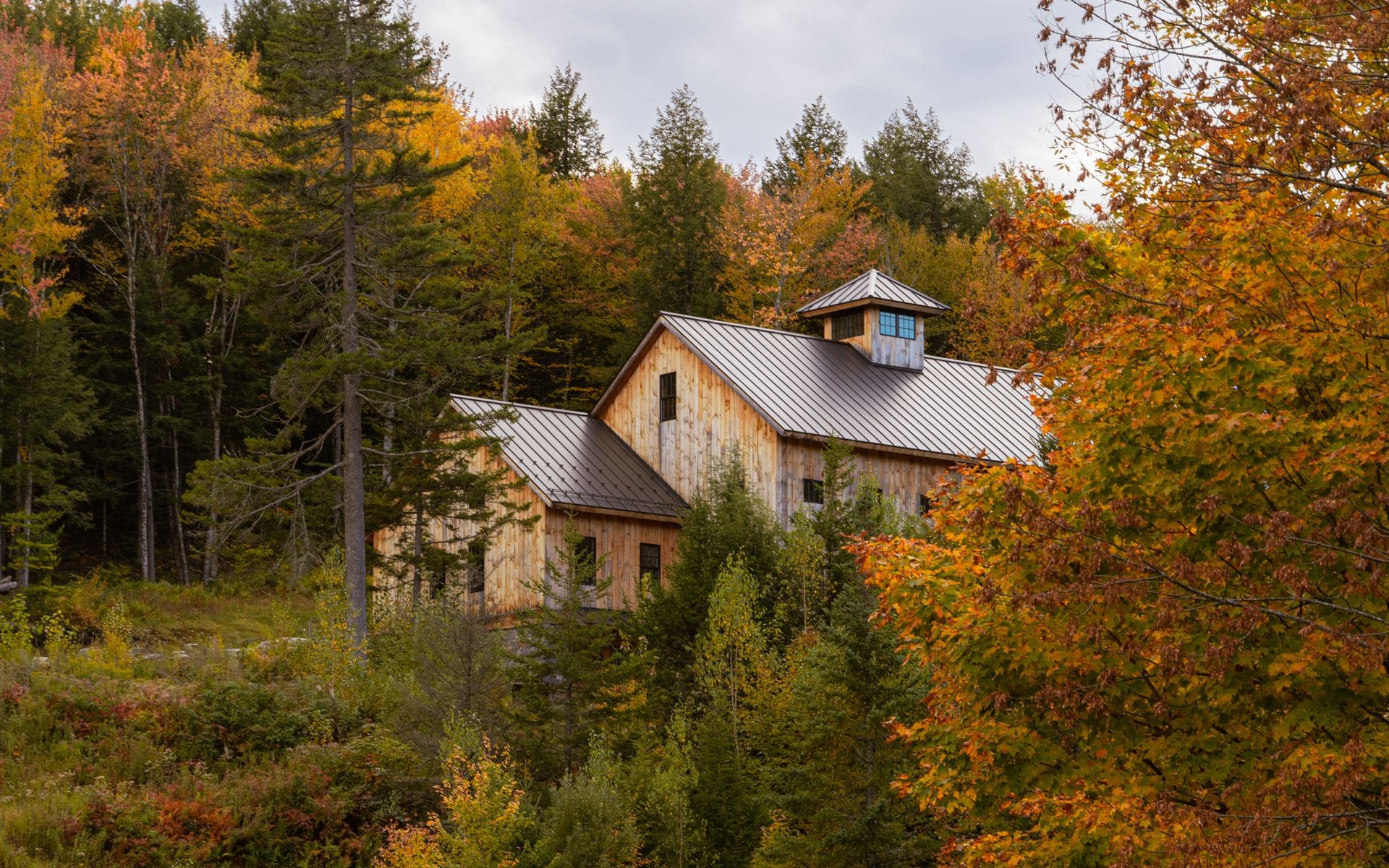
Fall (mid-September through mid-October) is Vermont's most-visited window, and it comes with a wide temperature range. Daytime highs in the Northeast Kingdom and near Stowe drop to the low 50s°F by early October, while southern Vermont still sees mid-60s°F afternoons in late September. You need: a mid-weight fleece or insulating vest, a windproof outer layer, wool or synthetic base layers for mornings and evenings, and sturdy footwear with ankle support for leaf-peeping walks on gravel roads, farm paths, and short trail segments. A small daypack holds the layers you will peel off inside a warm cafe and need again at the next overlook. Foliage crowds fill village parking lots in Woodstock and Stowe, so your kit will get tested across several short outdoor stops each day rather than one long hike.
Winter (December through March) is ski season, and it starts the moment you land. Burlington International Airport (BTV) sits on the eastern shore of Lake Champlain, and a January wind off the lake makes the walk from the terminal to your rental car a brisk reminder to pack properly. Inland, ridgelines at Stowe and Killington see wind chills below 0°F in late January and February. General winter packing for non-skiers: an insulated waterproof jacket rated for sub-zero wind chill, wool or synthetic base layers (no cotton, which stops insulating when wet), waterproof boots with firm grip, a warm hat, insulated gloves, and a neck gaiter. The drive from Burlington to Stowe is about 45 minutes via I-89 and Route 100 on a clear day, but plan for 90 minutes or more in a heavy snowstorm with ice on the grades near Waterbury.
Spring (March through mid-May) is mud season, Vermont's least-celebrated and most underrated window. It is also the time for maple sugaring, which runs roughly late February through April across the sugarbushes of Caledonia County and the Mad River Valley, and sugarhouse visits are a real reason to make the trip. Pack waterproof rubber-soled boots for actual mud on dirt roads and farm tracks, not just waterproof sneakers. Many hiking trails at lower elevations are closed or soft through late April. A mid-weight rain jacket, warm layers for mornings in the 30s, and a willingness to drive on back roads that are slick and frost-heaved after winter get you through spring in good shape.
Summer (late May through early September) is warm but rarely hot at elevation. Burlington averages July highs around 80°F, but summit ridges above 3,500 feet stay cool and exposed. A day hike on the Long Trail to the Chin summit of Mount Mansfield requires a mid layer and a packable rain shell even in August. Afternoon thunderstorms are common on exposed ridges and can drop temperatures by 20°F in 30 minutes. Summer kit: trail runners or hiking boots with ankle support, moisture-wicking base layers, a packable rain jacket, sunscreen, and bug spray. Black flies are aggressive from late May through June in wooded areas and near streams, and a DEET-based repellent or Picaridin spray (20%) makes a real difference on riverside walks and in wooded hollows. For exact temperature ranges by month and elevation, see Vermont Weather by Month.
Ski Trip Packing List
Vermont's ski resorts range from large (Killington, roughly 1,500 skiable acres across six peaks in the central Green Mountains) to family-focused (Smugglers' Notch Resort in Jeffersonville, consistently rated among the top family ski destinations in the East). What you need depends on your mountain and the month. At altitude in January and February, exposed ridgelines at Stowe and Killington hit wind chills of -20°F or lower, so layering is not optional. Core ski kit: moisture-wicking base layer top and bottom in merino wool or synthetic fabric (never cotton), an insulating fleece or down mid-layer, waterproof ski jacket and pants, a ski helmet (helmet rentals at Vermont mountains typically run $20-35/day), goggles for wind and flat-light days, insulated waterproof ski gloves or mittens, and wool ski socks in the right thickness for your boots.
Full ski rental packages (skis, boots, poles) at major Vermont mountains typically run $45-80/day, with multi-day rates cutting the daily cost by 20-30%. If you are renting, the only gear you need to bring is your layering system and any personal specialty items such as custom boot footbeds. For apres-ski, Stowe village has real restaurants and bars where you will want a dry change of clothes. Wet ski layers in a warm restaurant are uncomfortable and you will thank yourself for packing a spare fleece and pants. The Vermont Ski Season Guide covers resort comparisons, opening dates, and what to expect at each mountain so you can dial in your kit before you book.
Footwear and Day-Trip Gear
Vermont's road network runs from I-89 and I-91 to two-lane state highways to Class 4 dirt roads with no center line and mud ruts deep enough to beach a sedan. If you are doing a foliage drive on Route 100, a back-road trip through the Northeast Kingdom, or exploring covered bridges near Woodstock, you will be in and out of the car at pullouts, farm stands, and short trail spurs throughout the day. Waterproof trail shoes or light hiking boots serve far better than sneakers for this kind of day. Vermont's trails and roadsides stay wet and rooted after rain, and ankle support matters more here than on smooth city sidewalks.
In winter, a pair of YAKTRAX or microspikes (estimate $25-45 at an outdoor shop or hardware store) is worth packing if you plan to walk anywhere outside a ski mountain's maintained base lodge area. Village sidewalks in Woodstock, Stowe, and Burlington ice over quickly after freeze-thaw cycles, and the walk between your car, the restaurant, and the inn can be treacherous in smooth-soled boots. In summer, sandals work fine along Church Street in Burlington or on the waterfront bike path, but anything that takes you off pavement earns a proper sole.
If you are driving in Vermont in winter, a few car-kit items take up almost no space and earn their keep: an ice scraper with a brush (not just a credit card), a small collapsible shovel, and a bag of kitty litter or sand for traction on sloped parking areas at trailheads or inns. Many of Vermont's best lodges sit on sloped driveways that are not always plowed promptly. When picking up a rental at BTV, ask directly whether the vehicle has snow tires. Some rental fleets confirm this upfront; others do not unless you ask.
Practical Tips
Vermont has no sales tax on clothing. If you realize mid-trip that you underestimated a cold front, stopping at an outdoor gear shop in Burlington, Stowe, or Woodstock to buy a fleece or wool hat costs exactly the sticker price. This makes buying on arrival a legitimate strategy if you are packing light.
Many farm stands, sugarhouses, and small food producers off Route 100 and on back roads throughout Vermont are cash-only or have card minimums of $10 or more. Keep $40-60 in small bills for maple syrup, artisan cheese, fresh cider, and preserves at roadside stops. The Vermont Farmers Market in Burlington runs Saturday mornings from May through October at City Hall Park and does take cards, but smaller farm-direct operations often do not.
A reusable shopping bag or small soft cooler is genuinely useful for a cheese-and-provisions day. Cabot Creamery has a visitor center in Cabot, roughly an hour northeast of Montpelier on Route 2, and dozens of Vermont farmstead cheesemakers sell direct. If you are bringing dairy and maple products home by car, a small soft cooler with a freezer pack handles the return drive or an overnight far better than a paper bag from the stand.
Sunscreen is easy to forget but worth including even in fall. High-elevation trails and open fields in the Northeast Kingdom offer no tree cover on clear afternoons, and UV exposure at 3,000-4,000 feet adds up faster than it does at sea level. A small tube in your daypack solves a problem that is otherwise invisible until your forehead is already burned. For a broader planning overview by season and region, the Vermont Travel Guide has resources organized to help you match your trip to the right time of year.
Frequently asked questions
Do I need snow tires to drive in Vermont in winter?
Vermont does not legally require snow tires, but they make a significant difference on the hilly two-lane roads that connect most ski towns. Interstates (I-89, I-91) get plowed quickly, but Route 100 through the Green Mountains, Route 108 near Stowe, and dirt roads in the Northeast Kingdom can stay icy for several hours after a storm. When picking up a rental at Burlington International (BTV), ask your rental agency directly whether the vehicle has all-season or dedicated winter tires, and confirm before you leave the lot. Front-wheel-drive or all-wheel-drive with good tires handles most Vermont winter driving; rear-wheel drive on steep two-lane grades without winter tires is a genuine risk.
What should I pack for a Vermont foliage trip?
A solid foliage packing list for late September through mid-October: a mid-weight fleece or down vest, a windproof rain shell, wool or synthetic base layers for mornings (temperatures in the Northeast Kingdom can reach 32-35°F at night in early October), waterproof trail shoes or light hiking boots, a small daypack for layers and snacks, and cash for farm stands. Skip the umbrella if you can: Vermont foliage drives are often breezy and sideways rain makes umbrellas useless. A hooded rain jacket is the more practical call.
Can I rent ski gear in Vermont instead of packing it?
Yes. All major Vermont ski mountains offer full rental packages (skis, boots, poles) for roughly $45-80/day, with lower daily rates on multi-day rentals. Helmet rentals run about $20-35/day. If you are renting equipment on the mountain, the only items you need to bring from home are your base layers, ski jacket and pants, gloves, and goggles. Demo ski rentals at Stowe Mountain Resort and Killington can get you on higher-performance equipment for a modest premium. Book rentals in advance online in January and February since walk-in lines on weekend mornings can be long.
How bad are the bugs in Vermont, and what should I bring?
Black flies are the main nuisance from late May through late June in wooded and riverside areas. They are worst on calm humid mornings near moving water, including along many trailheads off Route 100 and in the Northeast Kingdom. A DEET-based repellent at 20-30% concentration or Picaridin at 20% is effective. Long sleeves and a hat help on river walks and forested trails during this window. Mosquitoes persist through August at lower elevations, particularly near Lake Champlain and pond-heavy terrain in the north. By mid-July, insects are far less aggressive across most of Vermont, and above 2,500 feet the wind keeps bugs manageable even in June.