Vermont’s two most-talked-about ski destinations sit about 50 miles apart but deliver very different trips. Here is how to tell which one fits your plans.
The Short Answer
If you want a classic Vermont village to walk around after you ski, eat dinner on foot, and feel like you are genuinely in New England, choose Stowe. If you want the biggest ski mountain in the eastern United States, the longest season in New England, and a loud apres-ski strip that runs well into the evening, choose Killington. Both are real destinations with serious terrain. The right one depends on what your trip is for.
Mountain Size and Terrain
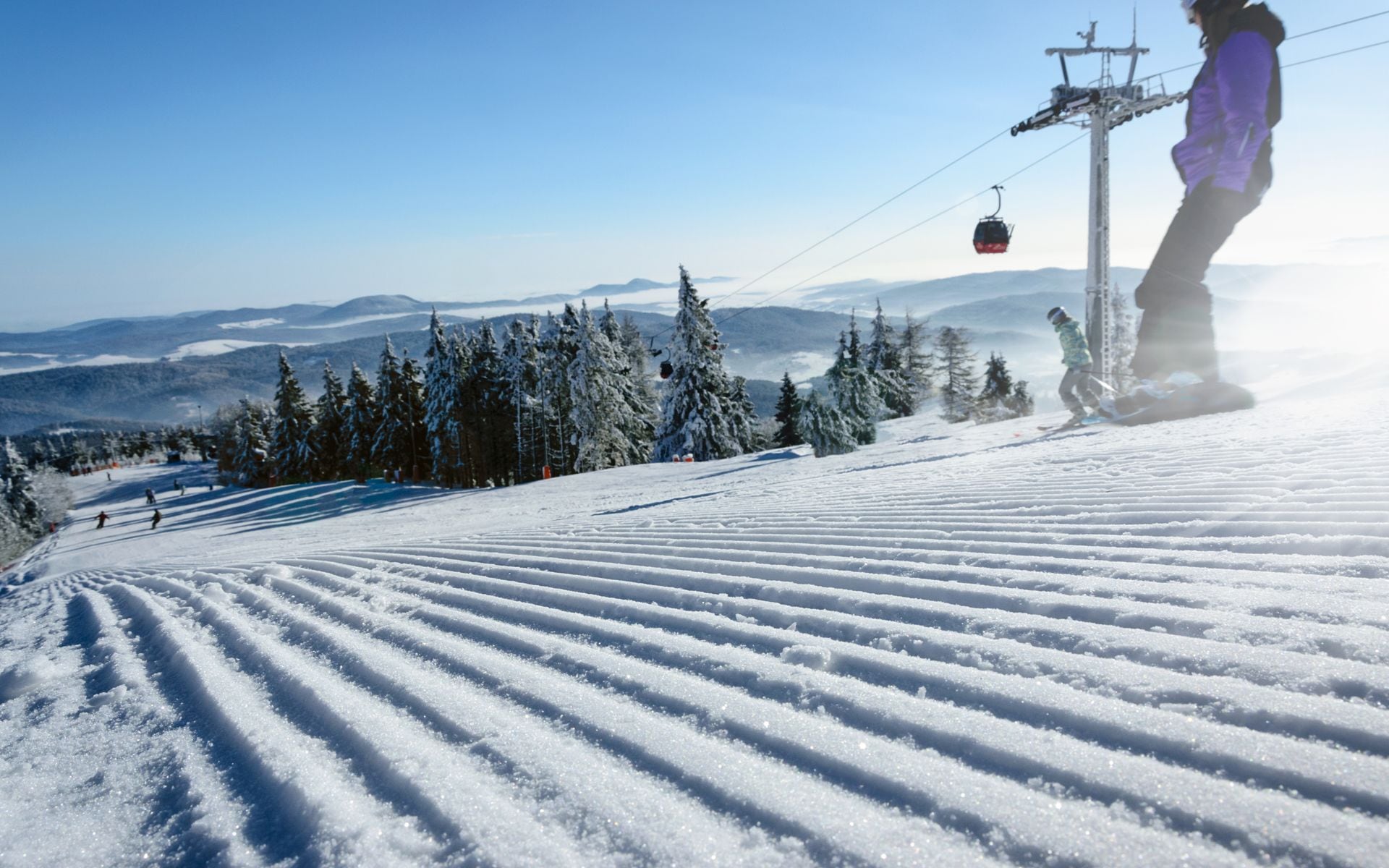
Killington Resort covers roughly 1,500 skiable acres across six interconnected peaks with 155 trails and a vertical drop of about 3,050 feet. It is the largest ski area in the East, and riding the K1 gondola to the upper mountain gives you a quick sense of the scale. If you want to ski for four or five days without repeating runs, Killington delivers. The mountain also opens earlier than any other Vermont resort, sometimes mid-November using aggressive snowmaking when temperatures cooperate, and it often holds on into late April or early May.
Stowe Mountain Resort runs about 485 skiable acres across two connected peaks, Mansfield and Spruce, with 116 trails and roughly 2,360 feet of vertical. The mountain is considerably smaller than Killington, but the terrain quality on the Mansfield side is exceptional. The Front Four trails, National, Liftline, Starr, and Goat, are among the steepest, most consistently challenging runs in New England and draw serious skiers every season. Because Stowe sits below Mount Mansfield at 4,395 feet (Vermont’s highest point), the upper mountain holds cold temperatures and good snow longer than lower-elevation resorts. Stowe typically runs December through mid-April.
FeatureStoweKillingtonSkiable Acres4851,500Trails116155Vertical Drop2,360 ft3,050 ftPeaks2 (Mansfield, Spruce)6Typical SeasonDec through mid-AprNov through late Apr/MaySummit Elevation4,395 ft (Mt. Mansfield)4,241 ftDrive from Burlington (BTV)45 min1.5 hrsDrive from Boston3 hrs2.5 hrsDrive from NYC3.5–4 hrs4.5–5 hrs
Town Experience: Village vs. Road
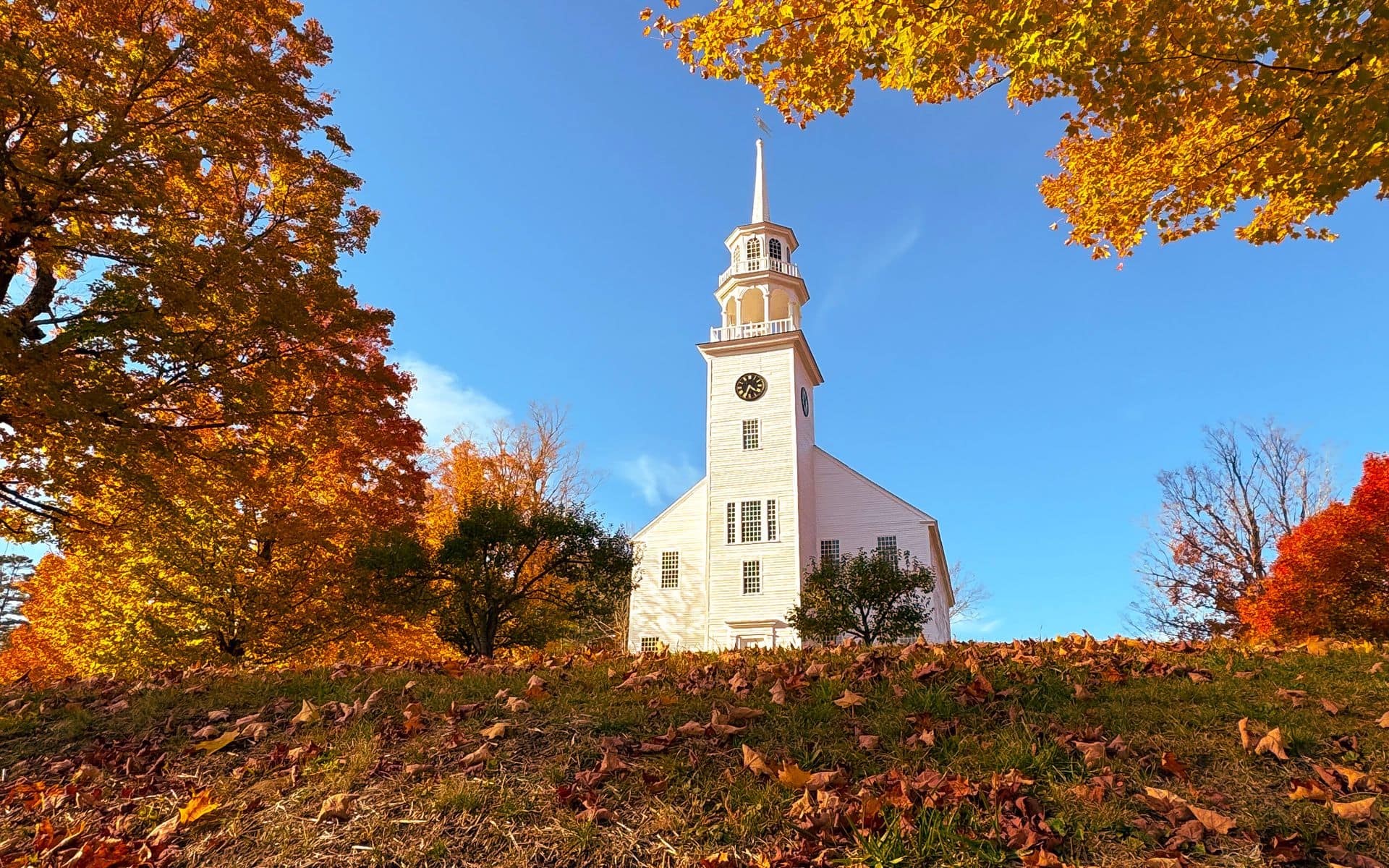
This is where Stowe and Killington diverge most clearly. Stowe village is a real Vermont town with a walkable Main Street, a white church steeple at the center, and a solid run of restaurants, cafes, and shops within a few blocks of each other. The 5.3-mile paved Stowe Recreation Path connects the village to the mountain base, so you can finish skiing and be at dinner without getting back in your car. The Green Mountain Inn, in a Main Street building dating to 1789, sits right in the thick of it. That combination of historic architecture, working town, and walkability is what makes Stowe feel like a place rather than just a resort.
Killington does not have a traditional town center. The resort corridor is Killington Road, a roughly four-and-a-half-mile strip running off Route 4 up toward the mountain. It is lined with hotels, rental shops, restaurants, and bars. Functional and lively, yes, but it is a resort road, not a village. The Killington Grand Resort Hotel sits at the mountain base and offers slope-side access, which is genuinely convenient if you are there to ski hard and nothing else. If the Vermont small-town feeling is part of why you are making the trip, Killington Road will not scratch that itch.
Apres Ski and Nightlife
Killington has a well-earned reputation as the apres-ski mountain of New England. The bars along Killington Road fill up from mid-afternoon on weekends, the music runs loud, and the energy stays up later than at most Vermont resorts. If your ski trip is also a social trip, Killington Road gives you that.
Stowe’s apres scene is quieter and more spread along Mountain Road (Route 108). Craft beer, solid restaurants, some live music at the bars. It winds down earlier and does not match Killington’s weekend volume. Stowe suits people who want a good dinner and a couple of beers after a day on the mountain, not a late night. Neither is wrong. They are just aimed at different trips.
Families and Beginners
Stowe works well for families. The Spruce Peak side keeps beginner and lower-intermediate terrain somewhat separate from the expert runs on Mansfield, which makes the mountain feel more manageable for newer skiers. Off-slope, the von Trapp Family Lodge sits on 2,400 acres of groomed Nordic terrain near the town of Stowe, offering a full day of cross-country skiing or snowshoeing for anyone in the group who skips the downhill. The Lodge at Spruce Peak, a Destination by Hyatt Hotel, provides another polished on-mountain lodging option for families who want slope-side convenience.
Killington’s six-peak spread means plenty of terrain for beginners and intermediates, and the ski school handles large groups efficiently. The sheer size of the resort can feel disorienting on the first day, and weekend crowds at the base lodges are substantial. Weekdays at Killington are noticeably calmer, and that is worth factoring in if your schedule is flexible. Mixed-ability groups, a couple of strong intermediate adults alongside a child still learning, tend to do fine at Killington because there is enough terrain spread across the mountain that each person can find something that suits them.
Best Time to Ski Each
Killington’s strongest window is January through mid-February. The mountain’s snowmaking infrastructure covers the most terrain in the coldest part of the season, and natural snow in January can put Killington in genuinely excellent condition. Early-season November and December depend heavily on how cold it stays for snowmaking to build base. If you want to find the best time to be on the mountain, read through the best time to ski in Vermont breakdown for how the season plays out week by week.
Stowe skis reliably from Christmas week through March, with March sometimes being excellent because the north-facing upper-mountain terrain holds cold snow well into spring. Stowe also benefits from higher natural snowfall than lower-elevation Vermont resorts. Late-season skiing at Stowe in March can be better than the same date at many mountains that have lost their base. For month-by-month conditions across Vermont, the best time to visit Vermont page covers what to expect each season.
Cost and Getting There
Lift ticket prices at both resorts fall in the mid-to-upper range for New England mountains. Buying tickets online in advance, weeks or months out rather than at the window, typically reduces the price by a meaningful amount at both places. Lodging at Stowe skews higher than Killington because of village real estate demand, particularly for inns and hotels within walking distance of the village center or on Mountain Road. Killington has a wider spread of price points along Killington Road, including condo rentals that make group trips more cost-effective. For a realistic look at what a Vermont ski trip costs end-to-end, the is Vermont expensive to visit page has the breakdown.
Burlington International Airport (BTV) is the most practical entry point for Stowe, about 45 minutes east on Route 100. For Killington, Lebanon Municipal Airport (LEB) in New Hampshire is closer, and Manchester-Boston Regional (MHT) is roughly an hour away. If you are flying into Boston Logan (BOS), Killington is about 2.5 hours and Stowe about 3 hours by car. Driving from New York City, Stowe is roughly 3.5 to 4 hours via I-91 north to I-89, and Killington is about 4.5 to 5 hours depending on traffic. The full Vermont travel guide covers ground transport, lodging types, and how to plan between the mountains and the rest of the state.
Which One Should You Pick
Pick Stowe if: you want a Vermont village to inhabit, you are traveling with someone who does not ski and needs off-slope activities, you want a smaller mountain with standout expert terrain, or you are flying into Burlington. Pick Killington if: you are a terrain-first skier who wants the most possible acreage, you want the longest season and early-season snowmaking to be in your favor, you prefer a lively weekend road-trip mountain over a village experience, or you are driving up from Boston.
If you have five or more days in Vermont and want to do both, Waterbury sits off I-89 between Burlington and Montpelier, about 40 minutes from each mountain via Route 2 and Route 100. It is not a bad base for a week that covers both, though you will spend meaningful time in the car. For most trips, pick one and commit.
Frequently asked questions
Is Stowe or Killington better for beginners?
Both have ski schools and dedicated beginner terrain. Stowe’s Spruce Peak side is well separated from the expert runs on Mansfield, which makes the mountain feel less intimidating for first-timers. Killington has more total beginner terrain across its six peaks, but weekend crowds at the base areas can feel overwhelming for nervous skiers. On a weekday, either works well. For a family trip with young learners or first-time adult skiers, Stowe is typically the calmer environment.
Which is closer to Boston?
Killington, by about 30 to 45 minutes. Expect roughly 2.5 hours from Boston Logan (BOS) to Killington compared to about 3 hours to Stowe, depending on traffic on I-89 or I-91. Both are driveable for a long weekend from Boston without flying.
Does Stowe or Killington have a better town to stay in?
Stowe has a real Vermont village with walkable restaurants, shops, and a 5.3-mile rec path. Killington has a resort road, Killington Road, lined with bars, hotels, and rental shops, but no traditional town center. If village character matters to your trip, Stowe wins clearly. If you only care about mountain access, Killington Road is functional.
Which mountain has the longer ski season?
Killington. It regularly opens in November using snowmaking and often runs through late April or into early May, giving it one of the longest seasons of any resort in the East. Stowe typically runs December through mid-April. If you want to ski early in the season or late in spring, Killington is the more reliable option.
Can I visit both Stowe and Killington on the same trip?
They are about 50 miles apart via Routes 100 and 4, roughly 60 to 70 minutes of driving. With five or more days in Vermont, it is possible to base somewhere in between, like Waterbury off I-89, and ski each mountain on separate days. Waterbury is about 40 minutes from both. On a shorter trip, pick one and stay put. You will ski more and spend less time in transit.