Woodstock sits on the Ottauquechee River in Windsor County, about 1.5 hours from Burlington and 3 hours from Boston, and packs a surprising amount into a village that takes ten minutes to walk end to end. If you want a weekend that slows you down without leaving you bored, this is one of the better two-day destinations in New England.
Why Woodstock Works for a Weekend
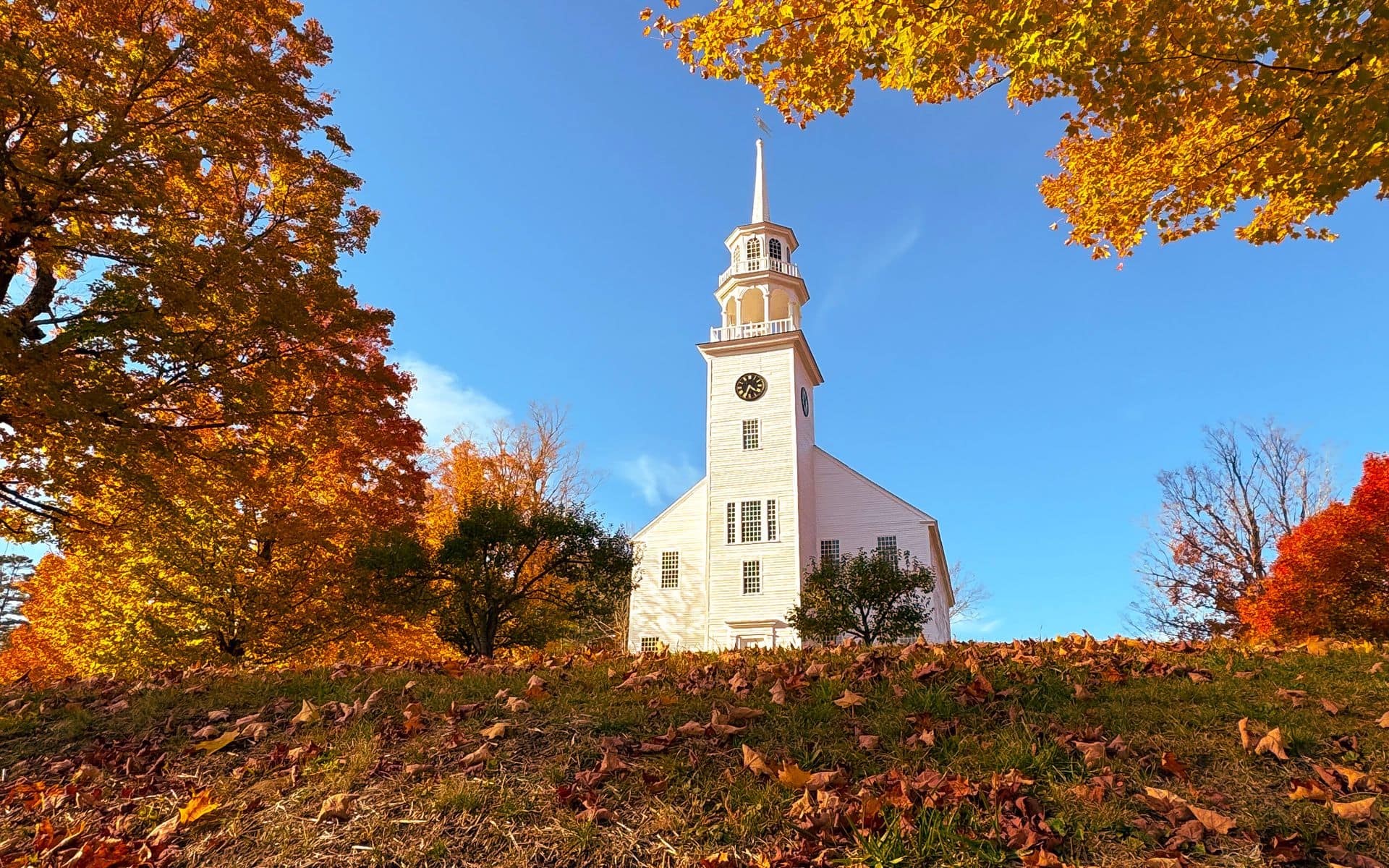
The village green at Woodstock is framed on three sides by Federal and Greek Revival buildings, a white-steeple church at the north end, and the covered Middle Covered Bridge just west of the green. This is not a reconstructed historic district. The same families have operated the same storefronts here for decades: a hardware store on Elm Street, an independent bookshop, a general store, a pharmacy that also sells local maple syrup. You can cover the whole downtown on foot in an afternoon and still have energy left for the evening.
What makes a Woodstock weekend work is the density of things to do within a 10-mile radius. Quechee Gorge, the deepest gorge in Vermont at roughly 165 feet, sits 8 miles west on Route 4, with a quick trail to the gorge floor and Simon Pearce’s glassblowing studio and riverside restaurant just past it. Billings Farm and Museum, a 15-minute walk from the green, runs a working herd of Jersey cows and hands-on farm demonstrations year-round. The Marsh-Billings-Rockefeller National Historical Park, Vermont’s only national park unit, sits adjacent to the farm with about 20 miles of carriage roads through the forest. For a broader sense of what the state offers beyond this corner, the Vermont Travel Guide covers the full picture.
Friday Evening: Arrive and Get Your Bearings
Most people arrive from Boston Logan (BOS) or fly into Burlington International (BTV) and drive south on I-89 to exit 1 in White River Junction, then take Route 4 west the final 14 miles into the village. The drive along Route 4 from White River Junction follows the Ottauquechee River valley the whole way in, and you pass the Quechee Gorge bridge before the road opens back up into the village center.
Check in and then walk to dinner. Worthy Kitchen on Route 4, about a mile east of the green, is the local crowd’s pick for a casual Friday evening: counter-order burgers, tallow fries, and a rotating tap list in a converted farm building. Plan to arrive by 6 p.m. on a weekend because the wait grows by 7. If you want something calmer and more formal, the Red Rooster at the Woodstock Inn & Resort on the green serves dinner with locally sourced proteins and a wine list worth taking your time with. Budget roughly $35 to $65 per person for dinner without drinks at either spot. Then walk the green, look at the storefronts, and call it early. You have a full day Saturday.
Saturday: The Village and Its Outskirts
Start Saturday at Billings Farm and Museum, which opens at 10 a.m. from May through October. The farm runs a working dairy herd of Jersey cows and you can watch the afternoon milking, try hand-churning butter, and walk through a farmhouse set in the 1890s that has been kept largely as it was. Adult admission runs about $19 to $23; children pay roughly $10 to $12 (estimate ranges). The Marsh-Billings-Rockefeller National Historical Park, immediately next door, is free and has well-maintained carriage roads graded in the 19th century that wind up through second-growth maple and beech forest above the farm. The trail to the summit of Mount Tom above the park takes about 45 minutes from the trailhead near the mansion.
After the farm, drive the 8 miles west on Route 4 to Quechee. The bridge over the gorge has a small pullout and a railing overlook on the south side, and the trail to the gorge floor is an out-and-back taking about 20 to 30 minutes. Then continue a half mile down Quechee Main Street to Simon Pearce. You can watch glassblowers work from a viewing area on the production floor, then eat lunch in the restaurant above the Ottauquechee River waterfall. The cheddar soup and the grilled salmon run through consistently on the menu; the bread is baked in-house. Expect about $25 to $40 per person for lunch, more with wine.
Back in Woodstock by mid-afternoon, check the Woodstock Farmers Market if it is Saturday between late May and mid-October. It runs most Saturday mornings from about 9 a.m. to noon near Kedron Valley Road, with produce, aged cheeses, and preserves from farms along Route 12 north and Route 44 south. If you want to stretch your legs further in the afternoon, the Pogue Trail above the national park offers a 2.5-mile loop through forest to a small elevated pond, with the kind of quiet you do not find closer to Burlington.
Sunday Morning: Covered Bridges and Coffee Before You Go
Woodstock does a Sunday morning well. Walk the village before 9 a.m. when the shops open and you have the streets to yourself. The three covered bridges in the Woodstock area, including the Taftsville Covered Bridge 4 miles east on Route 4 built in 1836, make for easy stops before you drive home. Our Vermont covered bridges guide maps all three with directions if you want to sequence them into your departure route.
Get coffee before you leave. Several small cafes on Central Street open by 8 a.m., and the breakfast buffet at the Woodstock Inn & Resort is available to guests. Then it is a straightforward drive back to White River Junction to pick up I-91 south toward Massachusetts or I-89 north toward Burlington. Either way, the Route 4 drive out of town along the Ottauquechee is worth taking slowly. Read the Woodstock town guide for a deeper look at every attraction covered here, with operating hours and parking details.
Where to Stay in Woodstock
The Woodstock Inn & Resort at 14 The Green is the biggest name in town: 142 rooms, an 18-hole golf course, a spa, and the Red Rooster restaurant, all on the village green. Rooms run roughly $300 to $500 per night in peak season, which in this part of Vermont means late September through mid-October for foliage and winter ski weekends. It books months ahead for the best fall dates.
The Woodstocker B&B on River Street, a 10-minute walk from the green, is a small bed and breakfast that consistently earns top reviews for its cooked breakfasts and host attentiveness. Rates tend to run $180 to $280 per night and include a full breakfast. If you want a more personal, smaller-scale stay, this is the better pick.
Sleep Woodstock Motel on West Woodstock Road sits about 2.5 miles from downtown with clean rooms, solar power, and rates that often come in under $180 per night. It is family-owned, dog-friendly, and closer to Killington (about 22 miles west on Route 4) than the inns on the green, which makes it a solid option if you are combining Woodstock with a ski day.
Best Time for a Woodstock Weekend
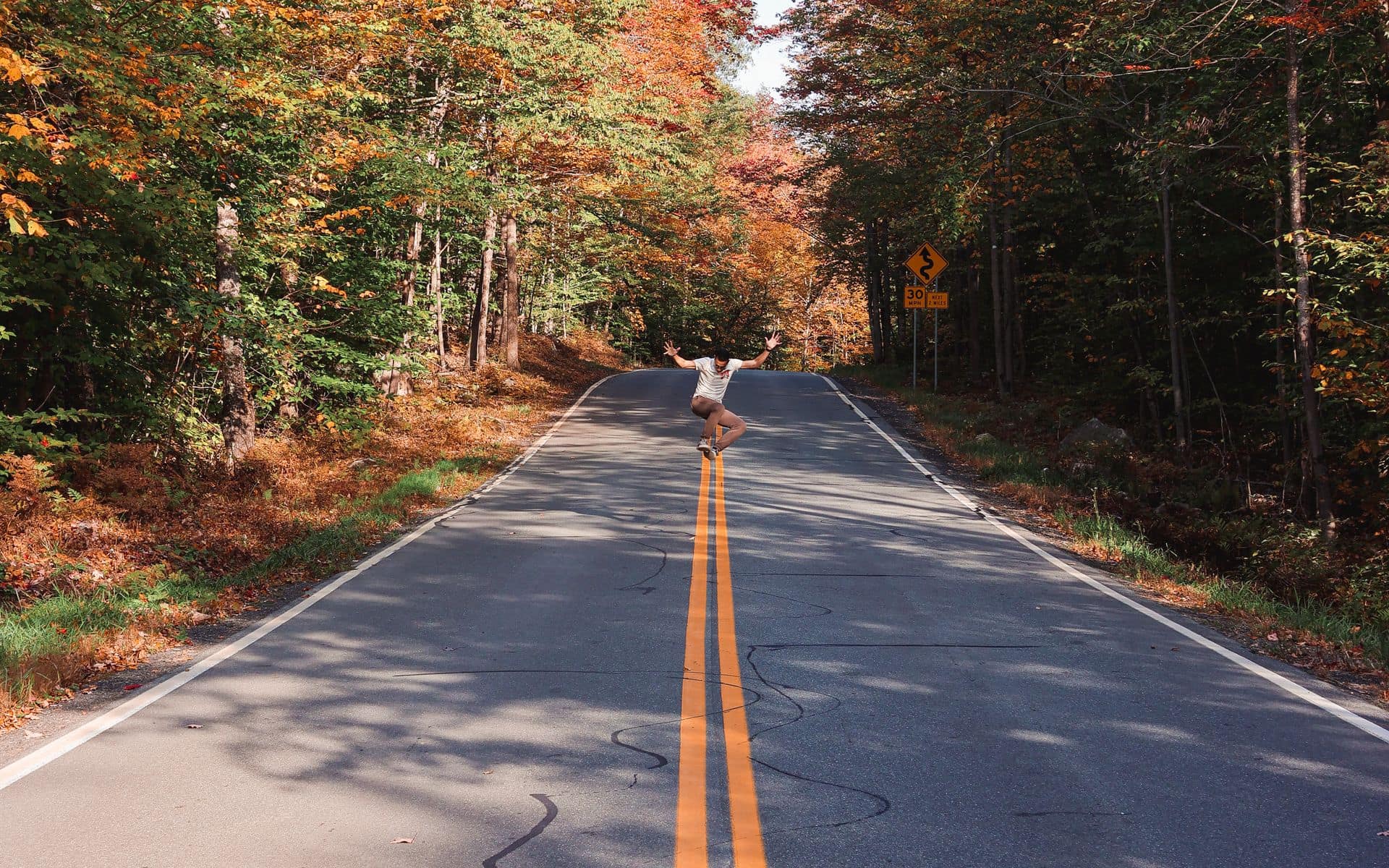
The Upper Valley’s foliage peaks between late September and mid-October, and Woodstock benefits from the way the Ottauquechee River valley channels the color into the village. The sugar maples and red maples around the green turn early and turn hard. Rooms book out six to eight weeks ahead for peak foliage weekends, so if October is your target, start looking in August.
Summer weekends from late June through August are the second-busiest window, with Billings Farm and museum traffic, hikers on the carriage roads, and visitors coming through from the Appalachian Trail corridor nearby. Expect full parking and full dining rooms by noon on Saturdays in July.
Winter is quieter but not empty. Woodstock sits 25 miles east of Killington Mountain Resort via Route 4, so the ski crowd moving between the two keeps the village from going dark. Wassail Weekend in early December, when the village holds a traditional parade and lights the green, draws visitors from across New England and books the inns solidly.
Spring mud season runs mid-March through early May. Some inns reduce hours, trails can be wet, and the back roads to outlying farms get soft. It is the honest off-season. For the full seasonal picture, the page on Best Time to Visit Vermont breaks it down month by month.
Frequently asked questions
How long is the drive from Burlington to Woodstock, Vermont?
Burlington to Woodstock is about 1.5 hours south, taking I-89 to exit 1 in White River Junction and then 14 miles west on Route 4. The Route 4 stretch follows the Ottauquechee River valley on two lanes, so the actual drive time varies with traffic, especially on fall foliage weekends. Lebanon Municipal Airport (LEB), just across the Connecticut River in New Hampshire, is the closest commercial airport to Woodstock, though service there is limited. If you are flying into Burlington, our guide to flying into Burlington airport covers transport options from BTV south toward the Upper Valley.
Is Woodstock, Vermont walkable once you arrive?
Yes, the village core is compact. The green, the Middle Covered Bridge, the bookshop and pharmacy on Elm Street, the Woodstock Inn, and the main cluster of restaurants are all within a 10-minute walk of each other. Billings Farm and Museum is 15 minutes on foot along River Road from the green. You will need your car to reach Quechee Gorge, 8 miles west, the Taftsville Covered Bridge 4 miles east, or the Woodstock Farmers Market site, but you can leave it parked for most of Saturday morning and afternoon.
What is the difference between Woodstock and Quechee, Vermont?
Woodstock and Quechee are neighboring communities about 8 miles apart on Route 4, both in Windsor County. Woodstock is the village with the green, the inns, Billings Farm, the national park, and the covered bridges. Quechee is the gorge, the Simon Pearce glassblowing studio and restaurant above the Ottauquechee waterfall, and a more spread-out residential community. Most visitors base in Woodstock and do Quechee as a half-day add-on. There is no reason to choose one over the other for a weekend stay because you can cover both comfortably from a single room in Woodstock.