Vermont in winter is a different trip than most people expect when they first start planning it. The ski mountains are the main draw for most visitors, and they’re worth it, but there’s a lot happening between the lift lines and trail maps. Snow-covered village greens, wood smoke from inn fireplaces, maple sap running when temperatures swing above freezing on February afternoons, cideries and breweries that fill up on cold weekday evenings. If you’re planning a Vermont trip between December and March, here’s what the state actually looks like in winter and how to plan a trip that makes the most of all of it.
When Vermont Winter Actually Runs
December through March is Vermont winter. The ski mountains generally open between mid-November and Thanksgiving, with Killington often starting earlier than any other resort in the Northeast. Snowpack builds through December and peaks in January and February, which is when most trails are open and conditions are most reliable. March can run warm in some years, thinning the base at lower elevations, but the higher mountains and northern resorts like Jay Peak hold strong conditions into April in a good year.
For non-ski visitors, December and early January are quieter than peak ski weeks. The gap between Christmas and Martin Luther King weekend in late January is often the best time to be in Vermont if you want inns at reasonable rates and towns that aren’t packed. Foliage draws the biggest crowds; winter, especially outside holiday weekends, is genuinely one of Vermont’s calmer seasons. By late February, days are lengthening and maple sugaring season starts up as temperatures begin swinging above freezing during the day and back below at night.
If you’re coming primarily for skiing and want to understand the timing and conditions across each mountain, the best time to ski in Vermont has week-by-week detail on snowpack, trail coverage, and lift-line patterns at the major resorts.
Skiing and Snowboarding
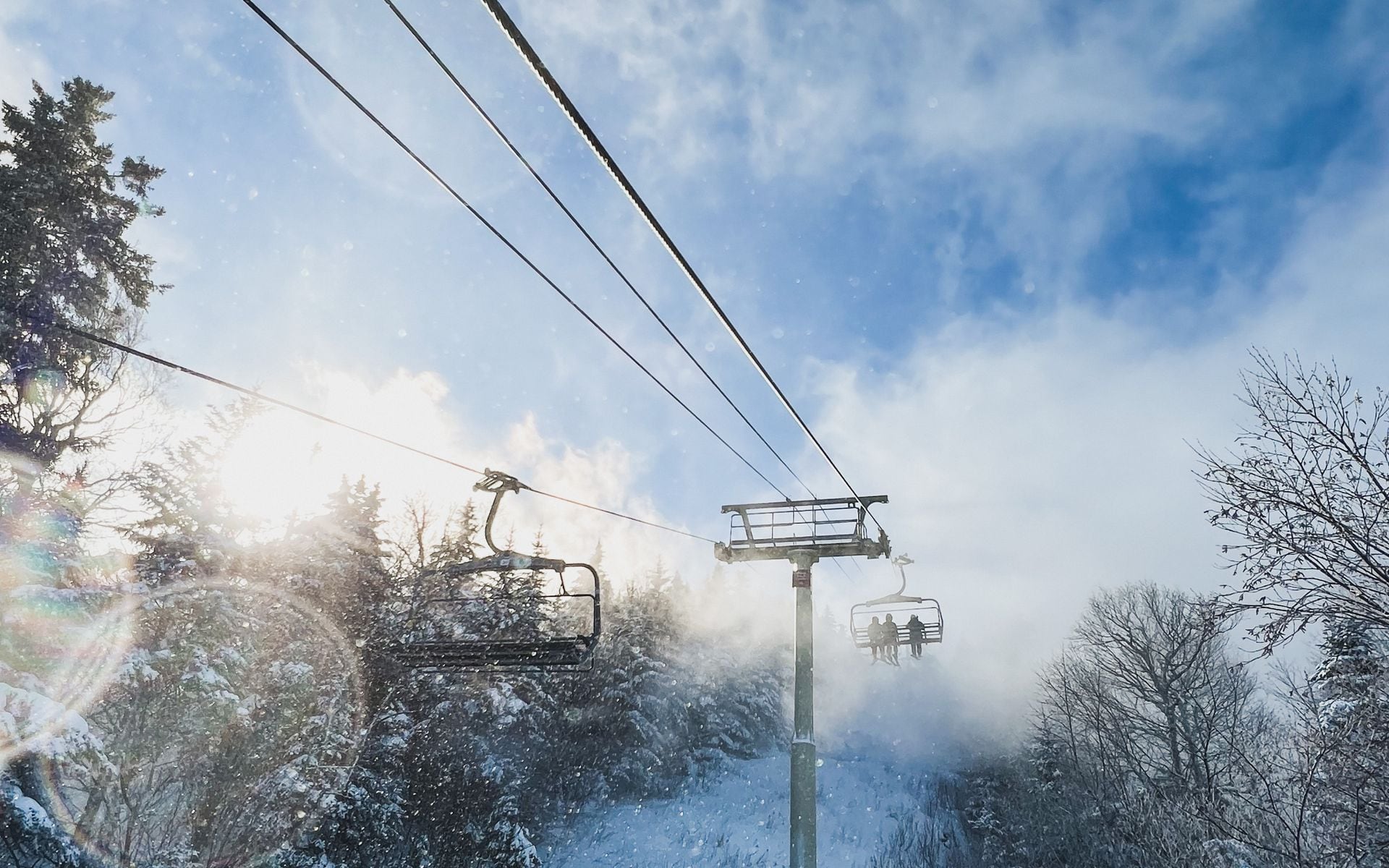
Vermont has more ski mountains than any other state in the Northeast, ranging from family-oriented resorts with tubing parks to high-elevation terrain with expert runs. Stowe Mountain Resort sits below Mount Mansfield at 4,395 feet with 116 trails on two interconnected mountains. Killington Resort, in central Vermont, is the largest ski resort in the East by trail count and usually carries the longest season in the state, sometimes running into May. Sugarbush Resort in Warren’s Mad River Valley attracts serious skiers with long, sustained runs and a slightly lower-key atmosphere than Stowe. Jay Peak, about 35 miles north of Newport near the Quebec border, gets more natural snowfall than any other Vermont mountain, often topping 300 inches in a good winter.
For a direct comparison of the two most common first choices, Stowe vs. Killington breaks down terrain, crowds, and cost side by side. For a look at the full Vermont ski lineup, the best ski resorts in Vermont covers the range from the big names to the smaller hills worth considering, including Smugglers’ Notch, Mount Snow, Okemo, and Bolton Valley. Weekend lift ticket prices at the major mountains run roughly $100 to $170 per person (prices vary by resort and date); booking mid-week, especially Tuesday through Thursday, cuts that noticeably and also means shorter lift lines.
Snowshoeing and Cross-Country Skiing
Not everyone who comes to Vermont in winter is here to ski a mountain. Vermont has a well-developed Nordic ski trail network, and snowshoeing doesn’t require much beyond waterproof boots and a pair of snowshoes you can rent at most ski towns.
The Trapp Family Lodge Nordic Center in Stowe maintains about 100 kilometers of groomed cross-country trails across open meadows and through the forest on Mount Mansfield’s lower flanks. It’s a few miles from the downhill resorts on Mountain Road, and you can combine a Nordic morning with a downhill afternoon if you want both in one day. Bolton Valley Resort in Bolton maintains both downhill trails and a Nordic center, and its relatively affordable lift tickets make it a good starting point if you’re staying near Burlington and want to test a smaller mountain first. Craftsbury Outdoor Center in Craftsbury Common, in the Northeast Kingdom, has some of the most consistently groomed Nordic skiing in the state and hosts elite-level races through the winter.
For snowshoeing, most state parks with trail networks remain accessible in winter, though you’ll typically be breaking your own trail rather than following a groomed route. Groton State Forest southeast of Cabot has a winter trail map. Trails in the Green Mountain National Forest stay open year-round where snow and road access permit. Check conditions before you drive out, since back roads to trailheads can close or go unplowed for hours after heavy snow.
Vermont Towns Worth Visiting in Winter
The towns change in winter. Burlington stays lively year-round, with Church Street and its restaurants open through the season, the ECHO science center on the waterfront running full hours, and the waterfront itself offering views of Lake Champlain when it partially or fully freezes in January and February. Ice fishing goes on Lake Champlain in cold winters; you’ll see fishing shanties out on the ice from the bike path along the waterfront.
Stowe village is one of the few Vermont towns that genuinely runs at full speed all winter. The Mountain Road corridor between the village and the resort is lined with inns, restaurants, and ski shops. The village center has a Christmas-card look in January, and the drive up Mountain Road toward the ski area is a practical indicator of where the town’s energy is concentrated. It’s Vermont’s busiest winter destination.
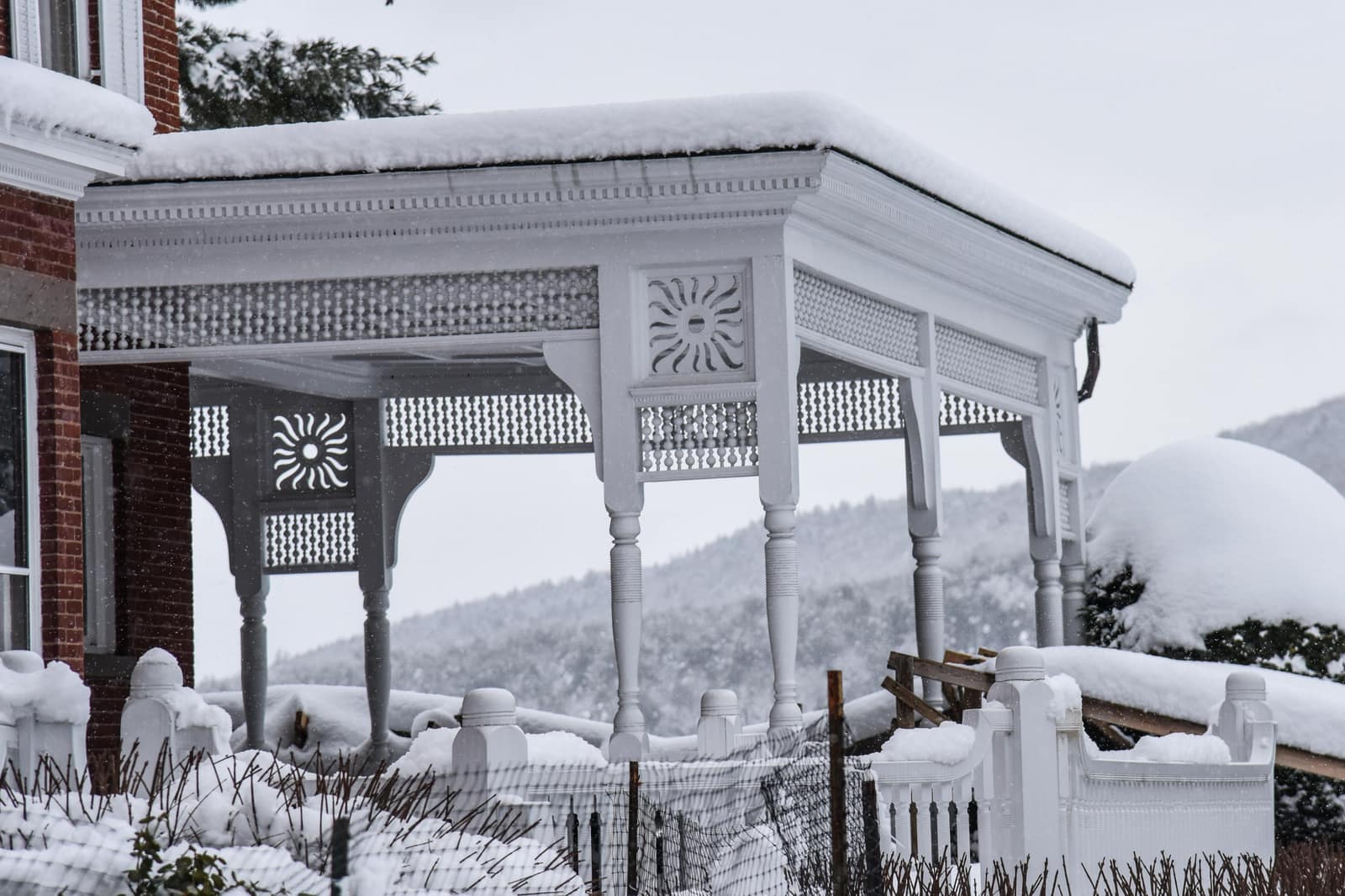
Woodstock, in Windsor County along the Ottauquechee River, is worth a winter visit even if you’re not skiing. The Federal-style village buildings and the green photograph well under snow, and the Woodstock Inn stays open with a more local feel in January than during foliage season. The Billings Farm and Museum runs winter programming on 19th-century farm life, including sugaring demonstrations when the season gets close. Manchester, in southern Vermont, rounds out the winter-capable towns with a cluster of inns, the Hildene estate open year-round, and Stratton Mountain Resort about 20 minutes east on Route 30.
For a broader list of Vermont towns worth basing out of in winter, the best small towns in Vermont covers the range from the Northeast Kingdom to the Connecticut River Valley.
Maple Sugaring Season
Late February is when Vermont winter starts giving way to sugaring season. The conditions that make maple sap run are specific: nights below freezing and days above freezing, typically from late February into early April. The window varies by elevation and latitude. The Northeast Kingdom and higher elevations often start first; valley sugarhouses in central and southern Vermont may run into April. The whole season in any one spot is usually four to six weeks, though it can be shorter in a warm spring.
Most sugarhouses in Vermont let visitors in during the sugaring season. Some offer tours where you can watch evaporators boiling sap down to syrup, and most sell fresh syrup by the grade and container size right from the farm. It’s not a ticketed attraction at most places, just a working farm where the door is open during the boiling weeks. The Vermont maple sugaring guide covers what to look for in a sugarhouse visit and how to find open farms across the state during the season.
Sugar on snow, which is hot maple syrup poured over packed snow and eaten like taffy, is a Vermont tradition tied to this season. It shows up at sugarhouses and some farm events in March. If you’re in Vermont in late February or early March, this is worth finding.
Food, Breweries, and Staying Warm
Vermont’s food and drink scene doesn’t slow down in winter. Farm-to-table restaurants that fill in foliage season are easier to get into in January, and the winter menu leans toward what’s in storage: root vegetables, local meats, aged cheeses, and warming soups. Hen of the Wood in Burlington and Waterbury, the Pitcher Inn in Warren, and the Inn at Weathersfield in Perkinsville are solid options at different price points, though you should check current operating hours before heading out.
The Waterbury corridor along Route 2 is the densest cluster of Vermont breweries in one place, including the Alchemist (Heady Topper is best bought at the brewery itself), Lawson’s Finest Liquids, and several others within a short stretch. The best Vermont breweries guide covers the full range. In winter, taprooms run quieter on weekday afternoons, which is when you actually want to be there.
Vermont cideries are a separate category worth noting. Eden Ciders in Newport, near the Northeast Kingdom, and Champlain Orchards in Shoreham near Lake Champlain are both open to visitors and worth the detour if you’re traveling through those areas.
Getting Around Vermont in Winter
Renting a car is required. Vermont’s bus network doesn’t connect most of the towns you’ll want to reach, and Amtrak’s Vermonter doesn’t serve the ski towns. With a car, the main practical concern is the roads.
Vermont two-lane highways in winter mean ice on hills, reduced visibility in snowstorms, and back roads that may not be plowed for hours after a storm. Snow tires (not all-seasons) are standard equipment in Vermont. If you’re renting, ask specifically about winter tires, especially if you’re arriving after a storm or driving to higher elevation resorts. Route 108 through Smugglers Notch between Stowe and Jeffersonville closes in winter, which adds about 30 minutes to any trip between those towns via Route 15 through Johnson.
Drive times in normal winter conditions: Burlington to Stowe, about 45 minutes. Burlington to Killington, about 2 hours. Burlington to Manchester, about 2.5 hours. Add time after storms and on holiday weekends when traffic on Route 100 and Route 4 backs up near the resort towns. Check Vermont 511 at 511vt.gov for road conditions before you drive in a storm, and keep a paper map in the car for back-road stretches where cell signal drops.
Lodging near the ski mountains books early for peak weekends, particularly MLK weekend in January and Presidents’ Day weekend in February. If you’re flexible on timing, January mid-week is consistently the sweet spot for both conditions and availability.